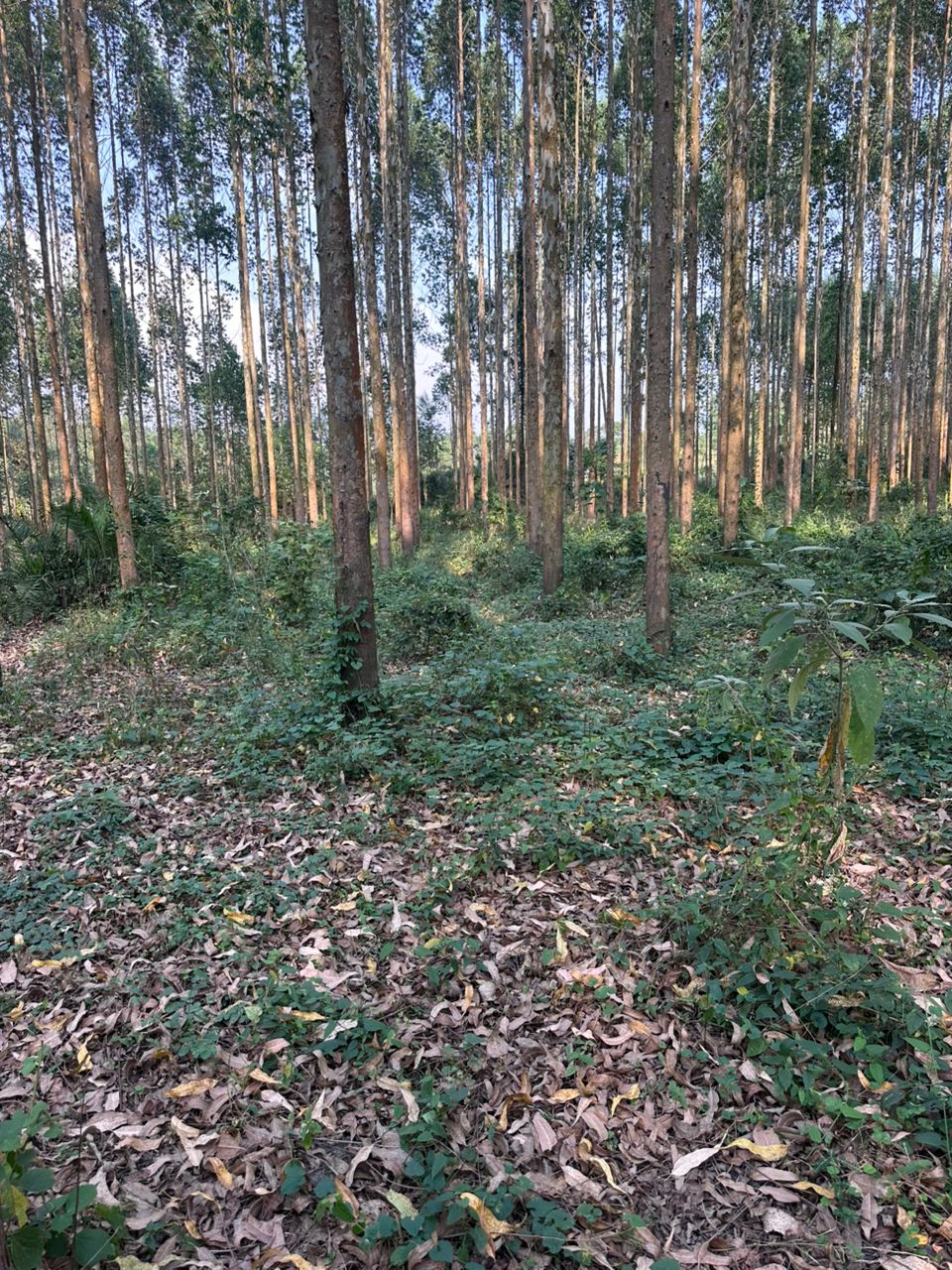
Tree Planting in Uganda
Eucalyptus GU/GC clones, pine, musizi. Central and western belt — Mubende, Luwero, Kiboga, Mityana. Poles on a 5–8 year rotation carry the economics.
Read the Uganda guide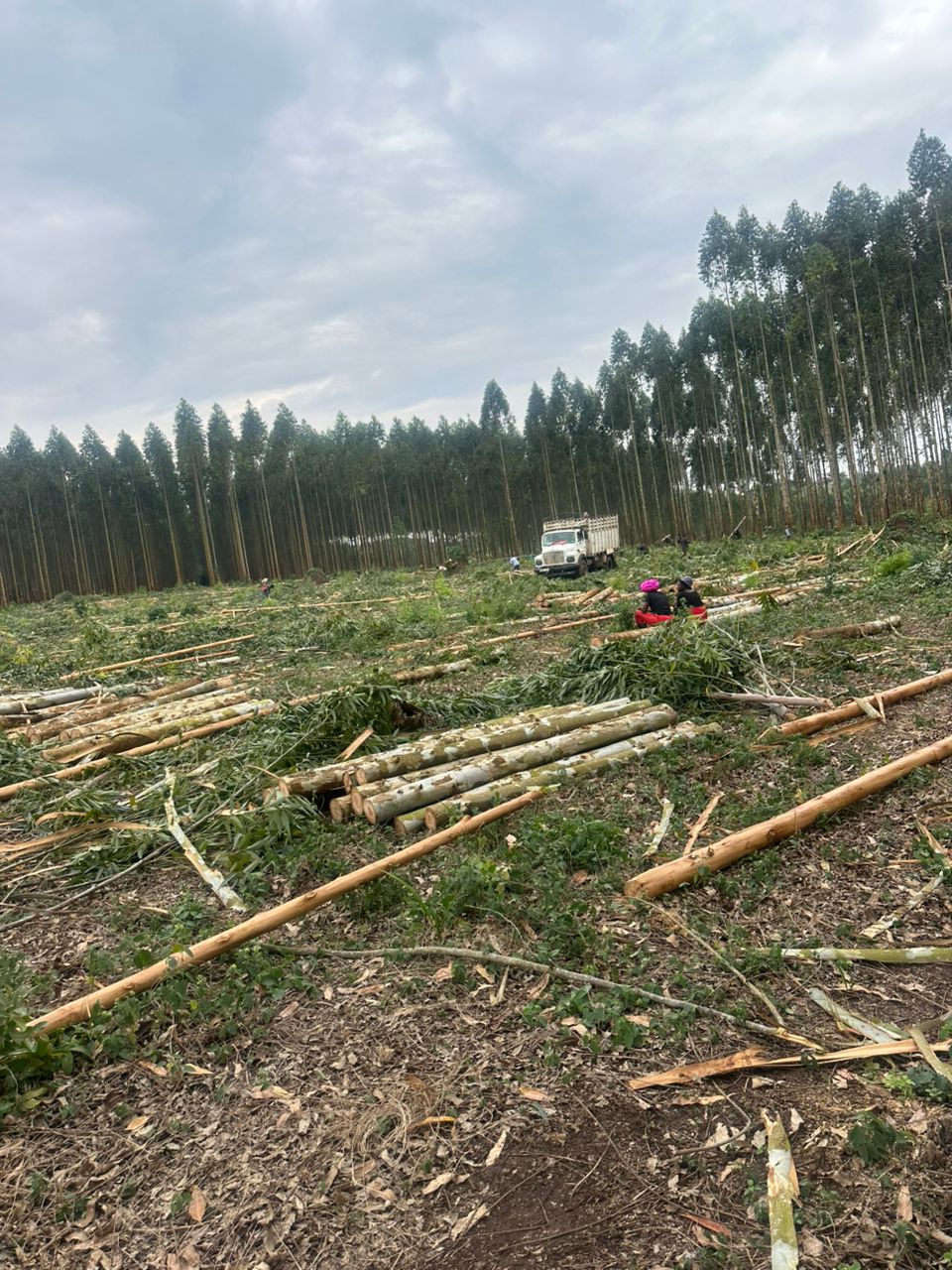
Country guides, free calculators and honest numbers — whether that is two acres of poles outside Kampala or a thousand hectares in the Southern Highlands.
Species choice across Africa follows altitude, rainfall and market, not preference. In the East African highlands: eucalyptus for poles on a 5–8 year rotation, pine or cypress for sawn timber on 15–25 years. In West Africa: teak and gmelina. In drier zones: melia, neem and acacia. Standard commercial spacing for poles is 2.5m × 2.5m — about 647 trees per acre, or 1,600 per hectare.
The eleven country guides below give the growing zones, the species that suit each one, the rotation length and the market the timber actually sells into.
| Country | Main plantation species | Where it works |
|---|---|---|
| Uganda | Eucalyptus GU/GC clones, pine, musizi | Central and western belt — Mubende, Luwero, Kiboga, Mityana |
| Kenya | Cypress, pine (P. patula), eucalyptus | Central and Rift highlands; drylands need melia and acacia |
| Tanzania | Pine (P. patula), teak, eucalyptus | Southern Highlands — Mufindi, Njombe, Iringa, Mbeya |
| Rwanda | Eucalyptus, grevillea, alnus, calliandra | Terraced hillsides nationwide; altitude drives species |
| Ethiopia | E. globulus at altitude, E. camaldulensis lower down | Highlands above 2,000m down to the rift margins |
| Zambia | Pine, eucalyptus | Copperbelt and the northern high-rainfall districts |
| Malawi | Pine (Viphya), eucalyptus, gmelina | Viphya plateau, Dedza, Zomba, Mulanje |
| Nigeria | Gmelina, teak, indigenous hardwoods | Humid south for gmelina, middle belt for teak |
| Ghana | Teak (Tectona grandis), cedrela, gmelina | Transitional and dry semi-deciduous zones |
| South Sudan | Teak, eucalyptus, neem | Equatoria — the historic teak belt |
| DR Congo | Acacia on the Bateke plateau, eucalyptus in Katanga | Kinshasa hinterland and Haut-Katanga |
Species selection, spacing and stocking, yield and cash-flow modelling, GIS and inventory design are delivered remotely across Africa. Tell us the country and the land size.
Get a plan for your siteGrowing zones, species by zone, spacing, rotation and market — one guide per country.
Eucalyptus GU/GC clones, pine, musizi. Central and western belt — Mubende, Luwero, Kiboga, Mityana. Poles on a 5–8 year rotation carry the economics.
Read the Uganda guide
Cypress, pine (P. patula), eucalyptus. Central and Rift highlands; drylands need melia and acacia. Cypress matters more here than anywhere else in East Africa.
Read the Kenya guide
Pine (P. patula), teak, eucalyptus. Southern Highlands — Mufindi, Njombe, Iringa, Mbeya. Land at genuine commercial scale is still obtainable.
Read the Tanzania guide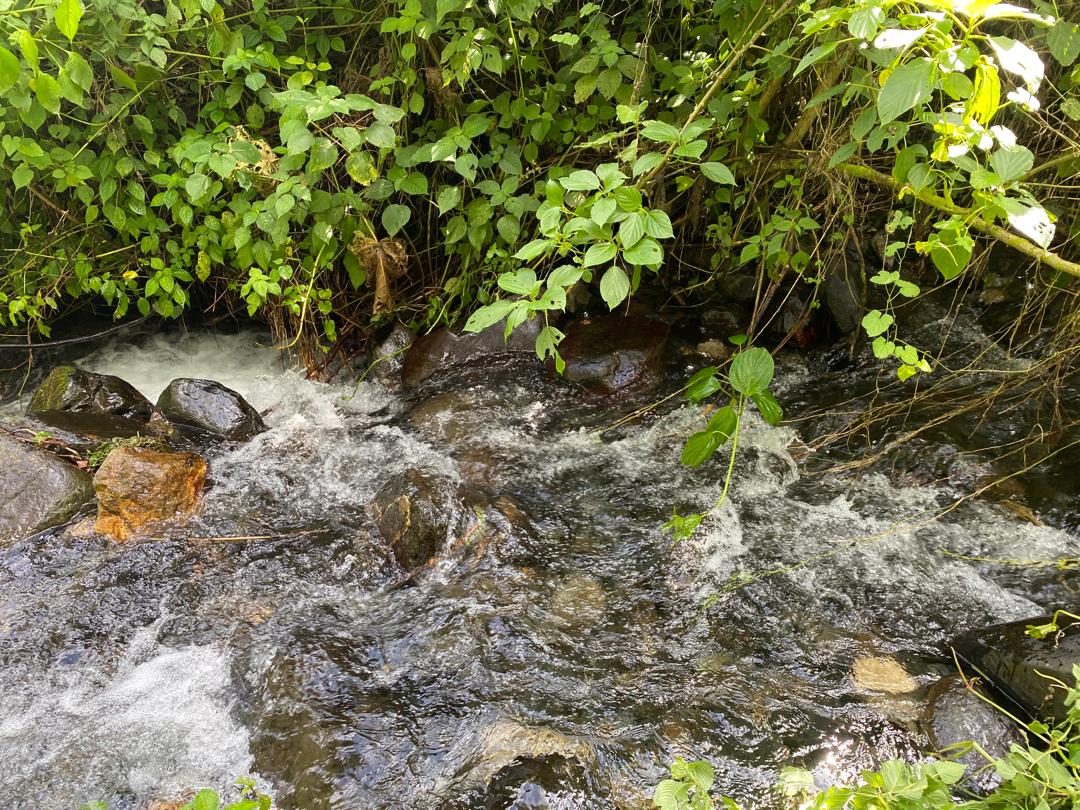
Eucalyptus, grevillea, alnus, calliandra. Terraced hillsides nationwide; altitude drives species. Agroforestry usually beats block planting on these slopes.
Read the Rwanda guide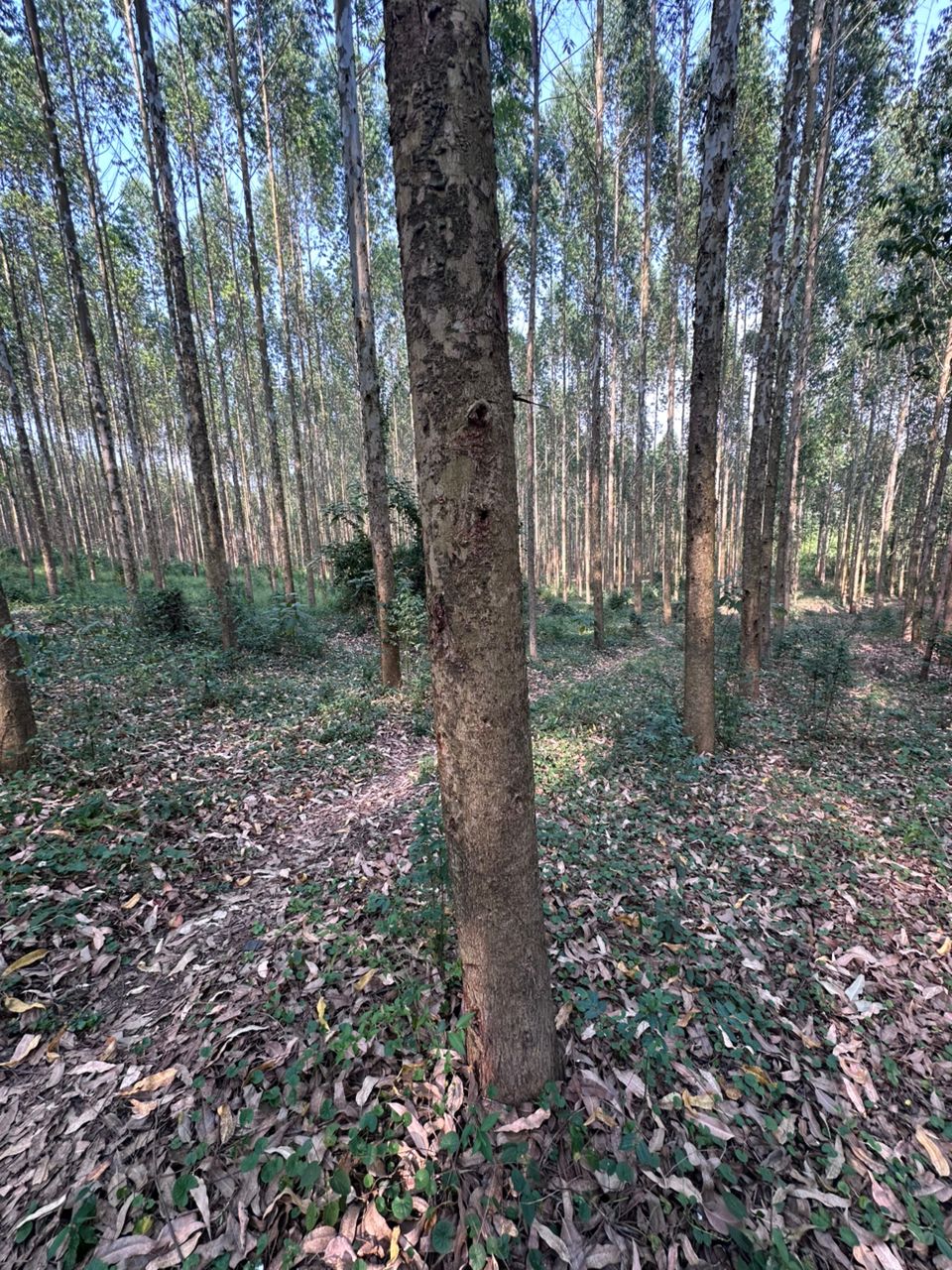
E. globulus at altitude, E. camaldulensis lower down. Highlands above 2,000m down to the rift margins. Coppice management is the norm, not the exception.
Read the Ethiopia guide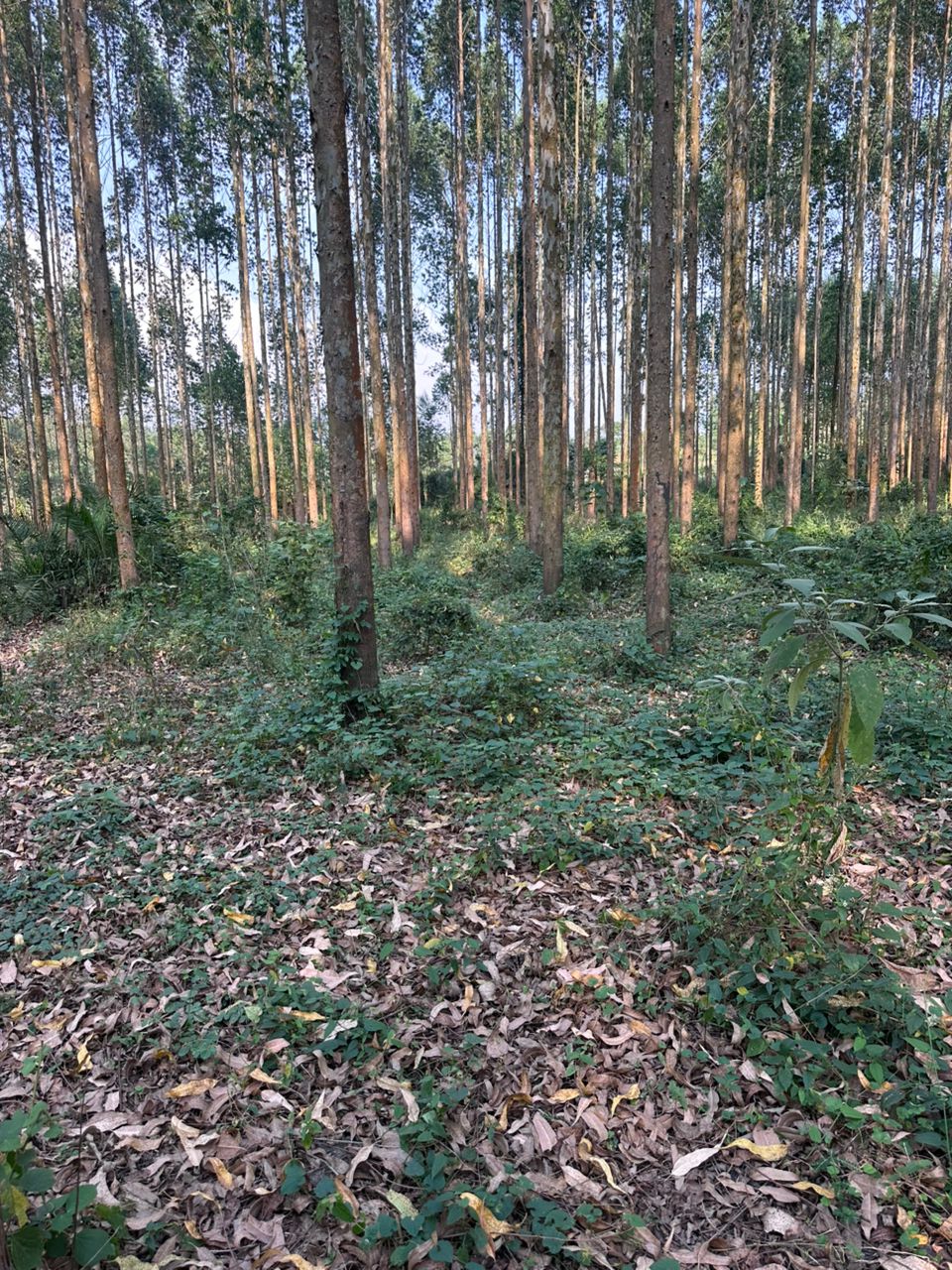
Pine, eucalyptus. Copperbelt and the northern high-rainfall districts. One wet season to plant into; charcoal demand underpins prices.
Read the Zambia guide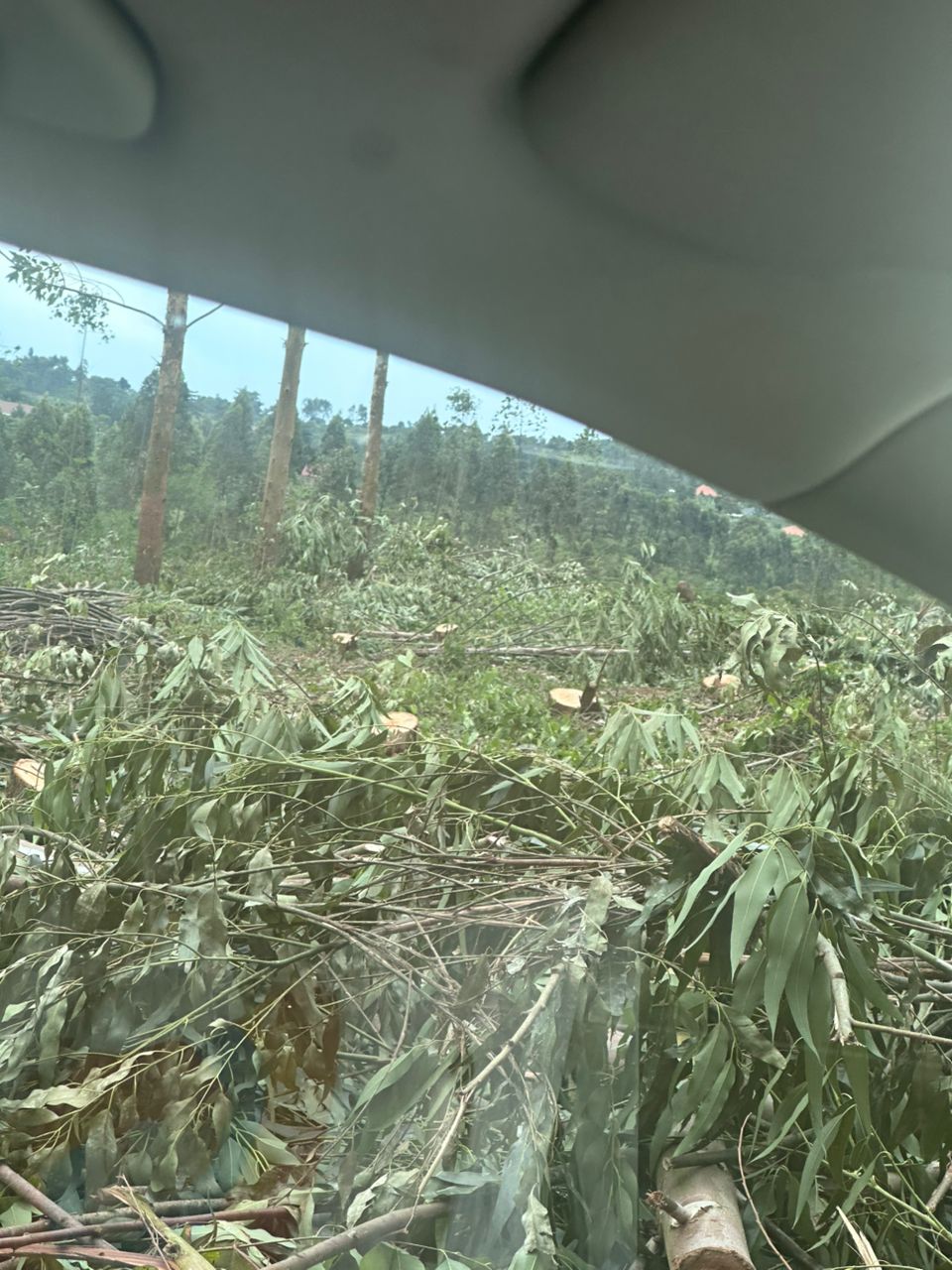
Pine (Viphya), eucalyptus, gmelina. Viphya plateau, Dedza, Zomba, Mulanje. Tobacco-curing fuelwood is a persistent second market.
Read the Malawi guide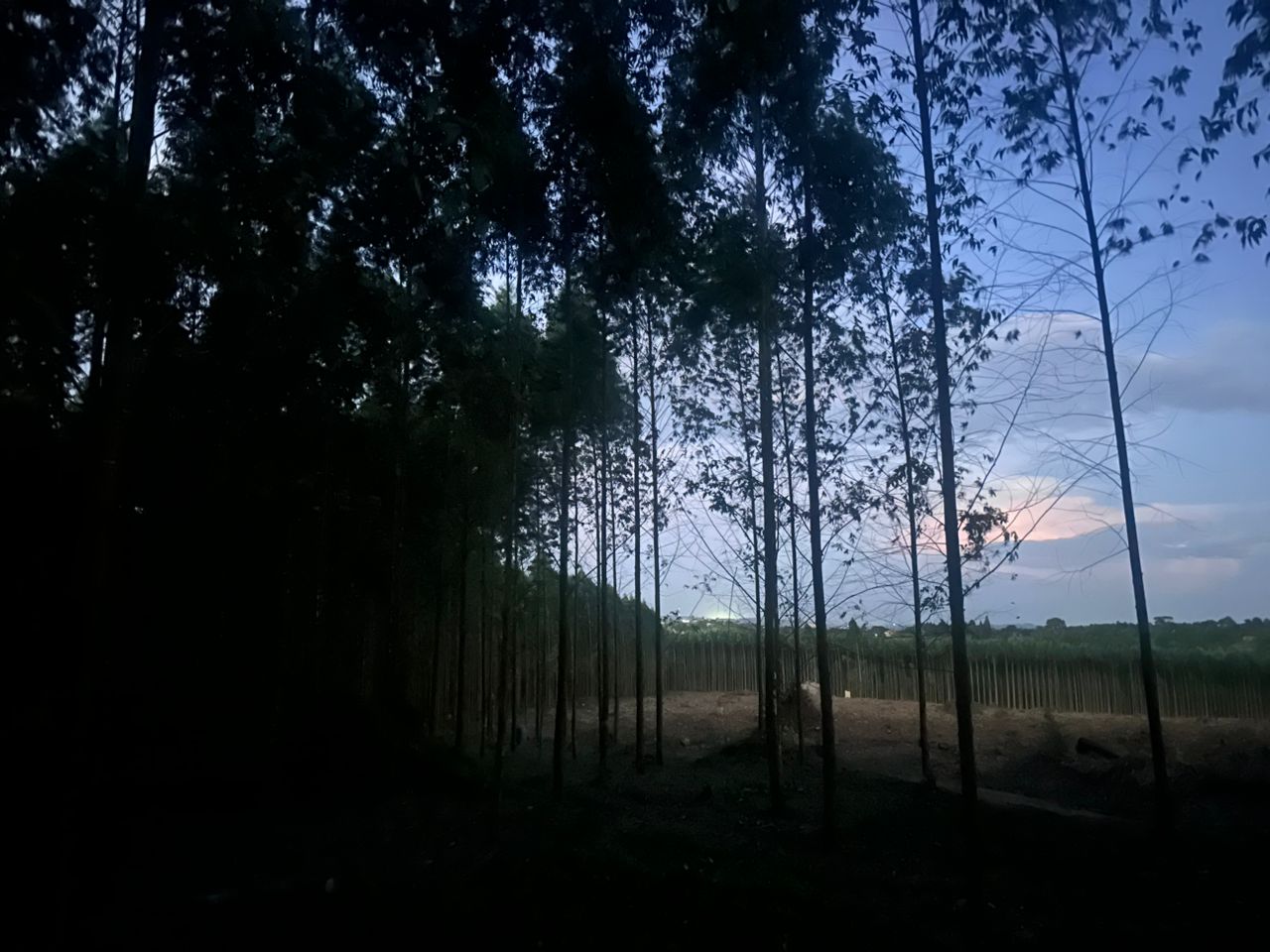
Gmelina, teak, indigenous hardwoods. Humid south for gmelina, middle belt for teak. Large domestic demand against a thin plantation base.
Read the Nigeria guide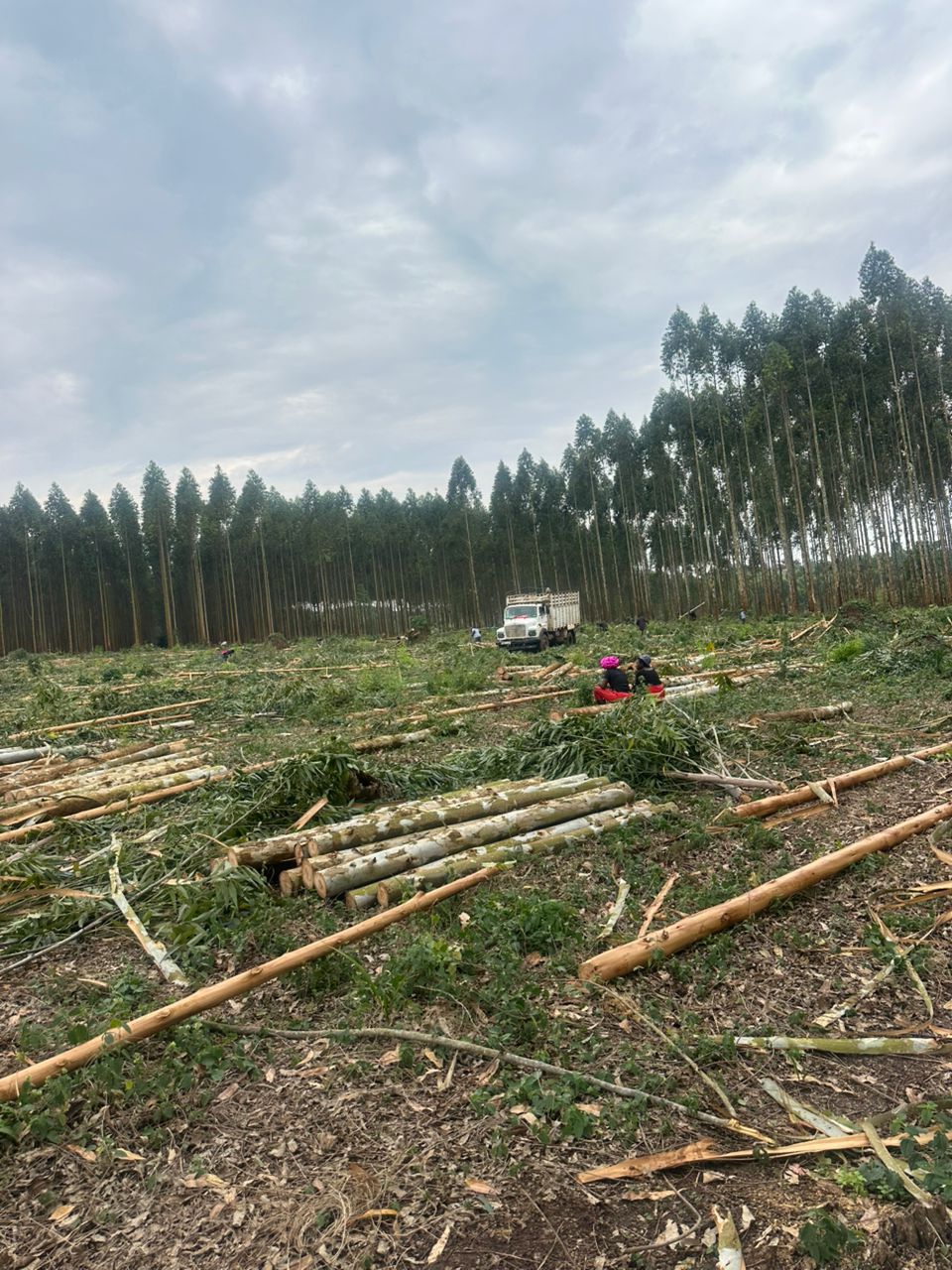
Teak (Tectona grandis), cedrela, gmelina. Transitional and dry semi-deciduous zones. Export-grade teak depends on pruning done on time.
Read the Ghana guide
Teak, eucalyptus, neem. Equatoria — the historic teak belt. Reconstruction demand is real; so are the constraints.
Read the South Sudan guide
Acacia on the Bateke plateau, eucalyptus in Katanga. Kinshasa hinterland and Haut-Katanga. Fuelwood and mining timber, not rainforest logging.
Read the DR Congo guideBuilt because we needed them ourselves. They work for any species in any country, in metric or imperial, and nothing is stored or emailed.
Planting trees is not automatically conservation, and pretending otherwise helps nobody. It counts when four conditions hold: the land was already degraded or under non-forest use, natural forest was not cleared to make room, watercourses and wetlands were left alone, and the planting genuinely relieves harvesting pressure somewhere else. Where those hold, plantations are one of the few conservation interventions that pay for themselves.
These work the same way in Lusaka, Kumasi or Kabale.
Euca Eco Consults Limited has advised forestry and environmental projects since 2014 from Wakiso, Kampala. Planning and analytical work travels: species and site matching, spacing and stocking design, yield and cash-flow modelling, GIS mapping and remote-sensing land-cover analysis, inventory design, forest management plans, and ESIA and ESG documentation. Field work — ground inventory, planting supervision, site assessment — is arranged per project. If you are not sure which you need, describe the site and we will say so plainly.
Country, land size, altitude and what you want the trees to do. You will get a straight answer on species, spacing and what the first three years cost.
Talk to a foresterThere is no single answer, because the continent spans rainforest, highland, savanna and semi-arid conditions. In the East African highlands, eucalyptus for poles and pine or cypress for sawn timber. In West Africa, teak and gmelina. In drier zones, melia, neem and acacia. The reliable method is to start from your altitude, rainfall and soil, pick the species that suits them, then check there is a buyer within reach of your road.
About 647 trees per acre at 2.5m x 2.5m spacing, 450 at 3m x 3m, and 1,012 at 2m x 2m. The formula is 4,046.86 divided by the product of your two spacings in metres. Deduct 5 to 15 percent for firebreaks, roads and boundary setbacks before ordering seedlings. The free tree spacing calculator does this for any spacing and any plot size.
Yes. Planning work travels: species selection, spacing and stocking design, yield and cash-flow modelling, GIS and remote sensing, inventory design, forest management plans and ESG documentation are delivered remotely for clients across Africa. Field work such as ground inventory, planting supervision and site assessment is arranged per project. Start with the contact form and say which country and how much land.
Costs vary by country and terrain, but the structure is identical everywhere: land preparation, pitting, seedlings, planting labour, and at least two years of weeding. The detailed Uganda breakdown on this site works as the checklist; price each line locally. The item most often left out of a budget is year two and three weeding, and it is the one that decides survival.
It depends entirely on where it is planted. Eucalyptus on degraded farmland, away from watercourses and wetlands, relieves harvesting pressure on natural forest and can be a net gain. The same species planted in a wetland, on a riverbank, or in place of natural forest is a loss. Several countries, Kenya among them, restrict eucalyptus near watercourses. Check the local rule before planting, not after.