Tree Planting in Ethiopia: Eucalyptus, Altitude and Demand
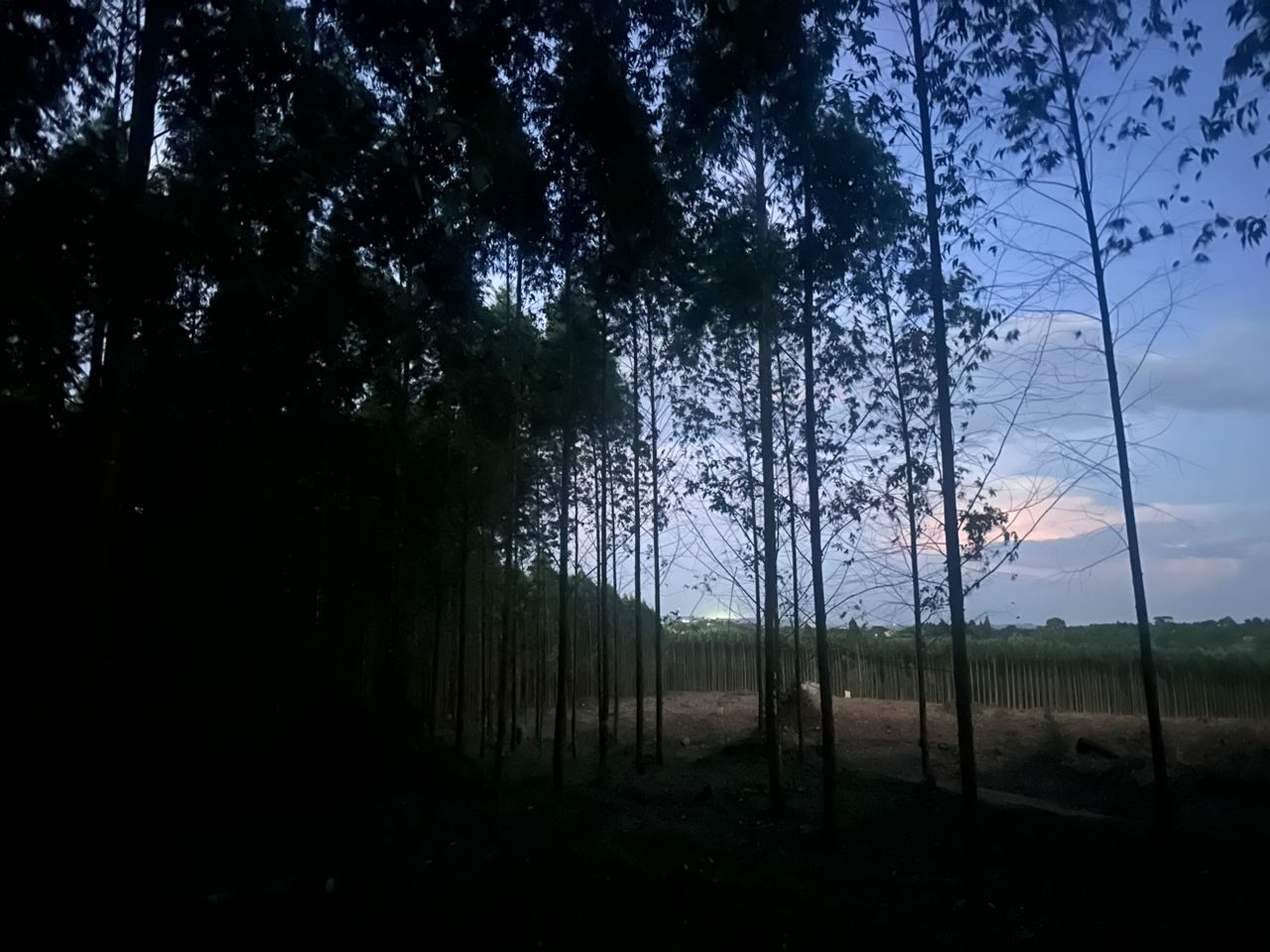
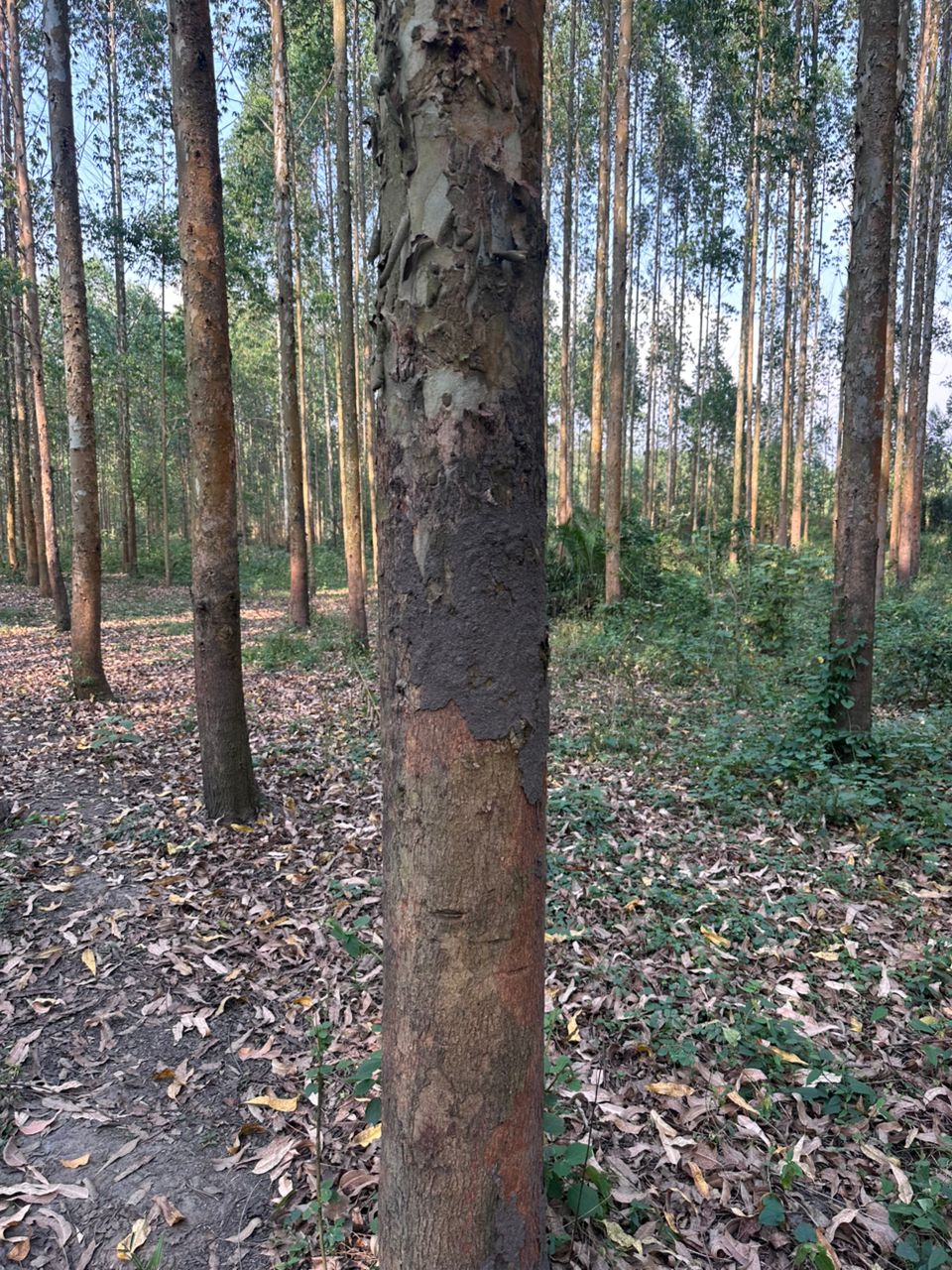
Ethiopia has one of the deepest eucalyptus cultures anywhere — the species was introduced in the late nineteenth century and became central to fuelwood and construction supply, particularly around Addis Ababa.
Altitude decides the species. E. globulus dominates the high plateau above roughly 2,200m; E. camaldulensis takes the warmer, drier lower zones.
The commercial model is usually short-rotation coppice — repeated harvests from the same stumps for poles and fuelwood, which is where eucalyptus earns its place on small holdings.
Growing Zones
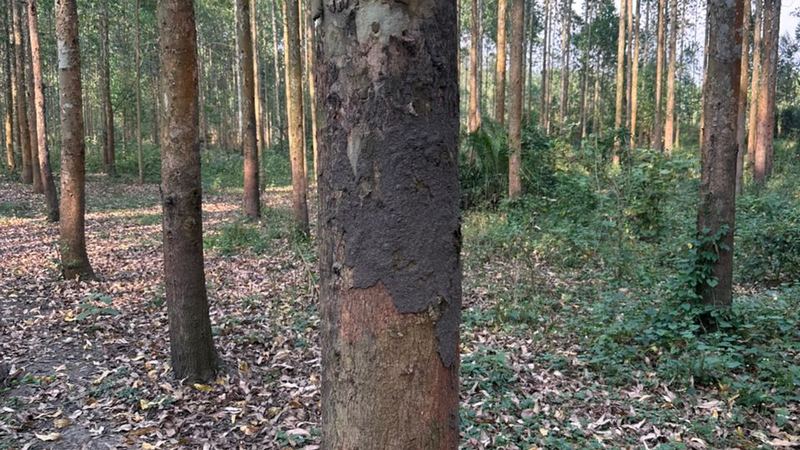
Ethiopian conditions vary enormously with altitude and rainfall, and species choice follows from that more than from preference.
| Zone | Character | Suits |
|---|---|---|
| High plateau | Addis Ababa surrounds, Entoto, Shewa, Arsi. Above ~2,200m, cool | E. globulus — the classic highland species |
| Mid-altitude highlands | Much of Amhara, Oromia, SNNP. 1,600–2,200m | E. globulus, E. saligna, E. grandis |
| Lower and drier | Rift Valley, parts of Oromia and Tigray. Warmer, less rainfall | E. camaldulensis |
| Moist south-west | Jimma, Kaffa, Illubabor. Higher rainfall, coffee forest zone | Agroforestry with coffee, indigenous shade species |
| Arid lowlands | Afar, Somali, parts of Tigray. Very low rainfall | Drought-tolerant indigenous species only |
Species That Work
| Species | Where | For |
|---|---|---|
| Eucalyptus globulus | High plateau above ~2,200m | Poles, fuelwood, construction. The dominant highland tree |
| Eucalyptus camaldulensis | Warmer, drier zones | Fuelwood, charcoal, poles |
| Eucalyptus grandis / saligna | Mid-altitude with good rainfall | Faster growth where conditions allow |
| Cupressus lusitanica | Cool highlands | Sawn timber, joinery |
| Grevillea robusta | Farmland | Agroforestry, boundary timber |
| Cordia africana, Juniperus procera | Highlands | High-value indigenous timber, long rotation |
What Makes Ethiopia Different
- Eucalyptus is embedded in the economy in a way it is not elsewhere. Smallholder woodlots supplying construction poles and fuelwood are ubiquitous across the highlands, and the crop is often the household's most liquid asset.
- Coppice management matters more here than almost anywhere. Repeated short-rotation harvests from established stumps are the core economic model, so stump care at harvest is decisive — see our rotation and coppice guidance.
- Altitude is unusually decisive. Ethiopia's plateau sits far higher than most of East Africa. Species recommendations from Uganda, Kenya or Tanzania frequently do not transfer.
- The water and soil debate is long-running and serious. Concerns about eucalyptus on farmland, near springs and beside cropland have been argued in Ethiopia for decades. Siting matters, and local rules vary by region.
- Land holdings are small and pressure is intense, which favours short rotations, boundary planting and coppice over long-rotation timber.
We advise across East and Central Africa. Tell us where the land is.
The Market
- Construction poles — scaffolding and building poles for a very large urban construction sector.
- Fuelwood and charcoal — enormous and consistent household demand.
- Sawn timber — cypress and larger eucalyptus.
- Farm income buffer — for many households the woodlot functions as savings that can be harvested when cash is needed, which is a genuine economic role even where the per-unit price is modest.
Before You Plant: Check Locally
Confirm these with Ethiopian Forestry Development and your regional bureau
- Whether your planting needs any permit or registration, and whether the species is restricted.
- Setbacks from watercourses, wetlands and lakeshores. Several countries in the region restrict or prohibit eucalyptus near water, and the rules have changed more than once.
- Harvesting and timber movement documentation — usually required for commercial volumes.
- Whether an environmental assessment is triggered at your scale.
- Land tenure, resolved in writing before planting. Trees are visible, immovable and take years; disputes surface when the crop becomes valuable.
We are a Ugandan consultancy with regional experience, not a ethiopian regulator. Treat this page as an orientation to species, spacing and markets, and confirm regulatory detail nationally before committing money.
Run Your Own Numbers
The arithmetic of spacing, volume and yield is identical everywhere — only the species choice and the market change. Our free calculators work in metric or imperial for any country:
Frequently Asked Questions
Why is eucalyptus so common in Ethiopia?
It was introduced in the late nineteenth century and spread rapidly because it grows fast at highland altitudes, coppices for repeated harvests, and supplies exactly what the economy needed — construction poles and fuelwood.
For many highland households the woodlot also works as a savings asset that can be cut when cash is required.
Which eucalyptus is best for the Ethiopian highlands?
Eucalyptus globulus above roughly 2,200m — it is the classic high-plateau species and handles the cold that checks other eucalypts.
In warmer, drier zones such as the Rift Valley, E. camaldulensis is the appropriate choice. At mid-altitudes with good rainfall, E. grandis or saligna grow faster.
How many times can I harvest eucalyptus from the same stumps?
Typically two or three good coppice rotations before vigour declines and stumps need replacing, though this depends on site and on how carefully the stumps were cut.
Stump height, clean cuts and felling season all determine regrowth quality — and coppice shoots must be thinned to one or two strong stems per stump or you grow a bush.
Does eucalyptus damage soil and water in Ethiopia?
The debate here is long-running and serious. The evidence points the same way as elsewhere: siting decides it. Eucalyptus planted beside springs, on cropland margins and in valley bottoms causes genuine local problems.
On appropriate upland ground with setbacks from water and cropland, it is a productive land use. Local rules vary by region — confirm before planting.
How many trees per acre should I plant in Ethiopia?
For fuelwood and small poles at 2m × 2m, about 1,012 per acre. For larger poles at 2.5m × 2.5m, about 647.
Short-rotation coppice systems often use tighter spacing than timber plantations because the product is volume rather than individual stem quality.
Planning Planting in Ethiopia?
Altitude and coppice management drive the outcome here. Tell us the elevation and the market you are selling into.
Over a decade establishing, measuring and managing eucalyptus, pine and indigenous plantations across Uganda. Based in Wakiso, Kampala. Reviewed and updated September 6, 2026.
Forestry elsewhere in Africa
Species, spacing and rotation change with altitude, rainfall and market. Same method, different answers.