Tree Planting in Tanzania: Species, Spacing and Markets
Tanzania's commercial plantation heartland is the Southern Highlands — Mufindi, Njombe and Iringa — and it is pine country, principally Pinus patula. Sao Hill in Mufindi is the best-known plantation complex in the region.
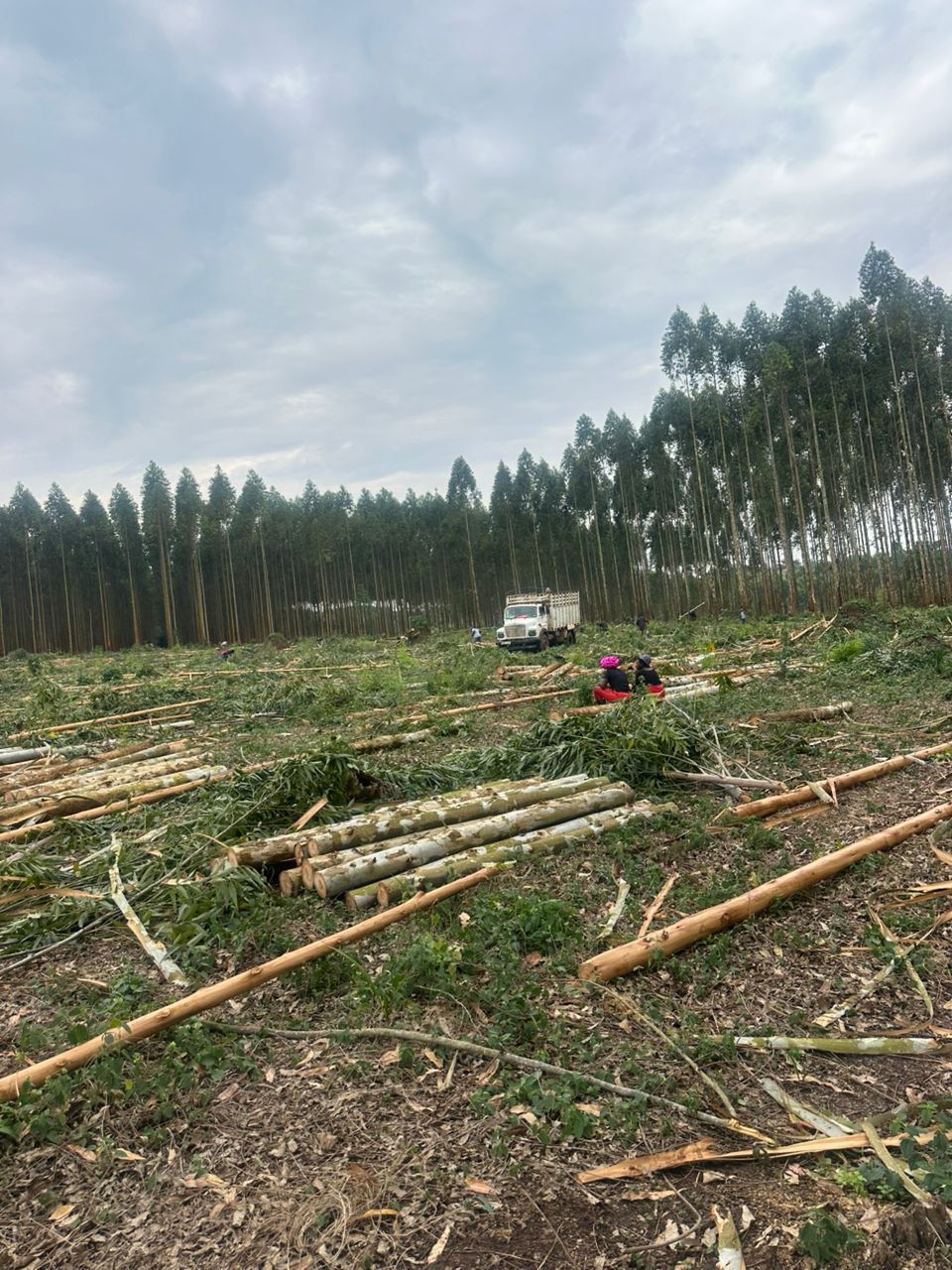
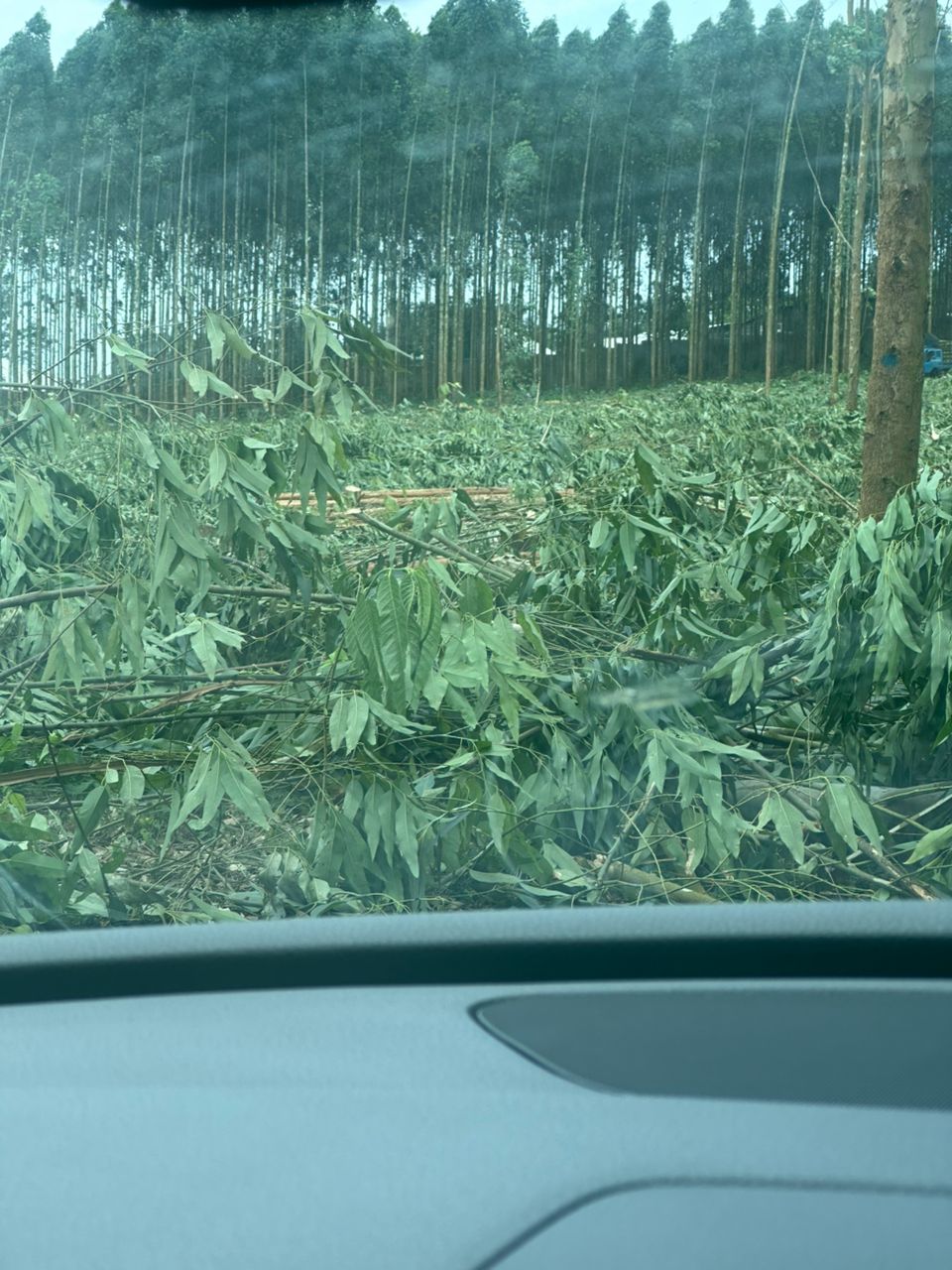
Teak works in the warmer coastal and eastern zones. Eucalyptus serves the pole and fuelwood market widely.
The commercial difference from Kenya or Rwanda is land availability: blocks at genuine commercial scale are still obtainable, which changes what is worth planning.
Growing Zones
Tanzanian conditions vary enormously with altitude and rainfall, and species choice follows from that more than from preference.
| Zone | Character | Suits |
|---|---|---|
| Southern Highlands | Mufindi, Njombe, Iringa, Mbeya. Cool, high, reliable unimodal rainfall, good soils | P. patula, eucalyptus, cypress |
| Northern highlands | Kilimanjaro, Arusha, Meru. High, bimodal in places, volcanic soils | Eucalyptus, cypress, agroforestry with coffee |
| Lake zone | Mwanza, Kagera, Geita. Moderate rainfall, high population | Eucalyptus for poles and fuelwood |
| Coastal and eastern | Tanga, Morogoro, Coast, Lindi. Warm, pronounced dry season | Teak, E. camaldulensis, casuarina |
| Central plateau | Dodoma, Singida, Tabora. Drier, miombo woodland | Drought-tolerant species; charcoal and fuelwood focus |
Species That Work
| Species | Where | For |
|---|---|---|
| Pinus patula | Southern and northern highlands | Sawlogs, construction timber, the plantation backbone |
| Pinus caribaea | Warmer mid-altitude sites | Sawlogs where patula is too warm |
| Eucalyptus grandis / clones | Highlands and lake zone | Poles, fuelwood, fast returns |
| Eucalyptus camaldulensis | Drier central and coastal | Firewood, charcoal, poles on marginal ground |
| Teak (Tectona grandis) | Coastal, Tanga, Morogoro, Lindi | Premium timber where soils are deep, free-draining and non-acidic |
| Cupressus lusitanica | Cool highlands | Sawn timber, joinery |
What Makes Tanzania Different
- Land at commercial scale is still available. This is the single biggest structural difference from Kenya, Rwanda or Ethiopia, and it means block-scale plantation forestry is a realistic proposition rather than an aspiration.
- The Southern Highlands are genuinely pine country. Cool, high, reliably wet — conditions that suit P. patula and support an established processing base around Mufindi and Njombe.
- Rainfall is unimodal across much of the country — one long wet season rather than two. That means one planting window a year, so nursery ordering and land preparation must be scheduled tightly.
- Teak has a real coastal and eastern niche, where the pronounced dry season suits it. Soil is decisive: teak needs deep, free-draining, non-acidic ground and fails slowly on anything else.
- Distances are large. Transport cost to a mill or a market is a bigger share of realised value than in more compact countries. Factor it before buying land.
We advise across East and Central Africa. Tell us where the land is.
The Market
- Sawn construction timber — the largest outlet for highland pine, with established mills in the Southern Highlands.
- Transmission and building poles — eucalyptus, with treatment adding value where a plant is within reach.
- Teak for export and premium domestic — a genuinely different price bracket, but only for well-grown, pruned, adequate-diameter stems.
- Charcoal and fuelwood — very large demand, particularly around Dar es Salaam. Confirm the regulatory position before planning around it.
- Regional export — road access to Kenya, Rwanda, Burundi, Zambia and DRC.
Before You Plant: Check Locally
Confirm these with the Tanzania Forest Services Agency (TFS)
- Whether your planting needs any permit or registration, and whether the species is restricted.
- Setbacks from watercourses, wetlands and lakeshores. Several countries in the region restrict or prohibit eucalyptus near water, and the rules have changed more than once.
- Harvesting and timber movement documentation — usually required for commercial volumes.
- Whether an environmental assessment is triggered at your scale.
- Land tenure, resolved in writing before planting. Trees are visible, immovable and take years; disputes surface when the crop becomes valuable.
We are a Ugandan consultancy with regional experience, not a tanzanian regulator. Treat this page as an orientation to species, spacing and markets, and confirm regulatory detail nationally before committing money.
Run Your Own Numbers
The arithmetic of spacing, volume and yield is identical everywhere — only the species choice and the market change. Our free calculators work in metric or imperial for any country:
Frequently Asked Questions
What is the best tree to plant in Tanzania?
In the Southern Highlands, Pinus patula for sawn timber — that is what the region's plantation estate and processing base are built around.
For faster returns anywhere with reasonable rainfall, eucalyptus for poles. On the coast and in the east where there is a pronounced dry season and deep free-draining soil, teak is the high-value option.
Where is the best place for forestry in Tanzania?
The Southern Highlands — Mufindi, Njombe, Iringa and Mbeya — combine cool high-altitude conditions, reliable rainfall, suitable soils and an established processing base.
The northern highlands around Kilimanjaro and Arusha also work well. Coastal and eastern zones suit teak where soils allow.
How many trees per acre in Tanzania?
The same arithmetic as anywhere: about 647 per acre at 2.5m × 2.5m, 450 at 3m × 3m for pine, and 1,012 at 2m × 2m for fuelwood.
What changes by country is which species and spacing suit your market, not the geometry. Use our free spacing calculator for any combination.
When should I plant trees in Tanzania?
Much of Tanzania has unimodal rainfall — one long wet season — so there is generally one planting window a year, and missing it means waiting twelve months.
Plant early in the season so seedlings establish roots deep enough to survive the first dry period. Parts of the north-east are bimodal and give two windows.
Is teak worth planting in Tanzania?
In the coastal and eastern zones with deep, free-draining, non-acidic soil and a pronounced dry season, yes — it is a genuinely premium timber with export demand.
But teak is unforgiving. Dig soil pits before committing: acidic, shallow or waterlogged ground produces a slow, expensive failure over twenty years.
Planning a Block in Tanzania?
We advise across East Africa on species matching, spacing, inventory and valuation. Tell us where the land is and what you want from it.
Over a decade establishing, measuring and managing eucalyptus, pine and indigenous plantations across Uganda. Based in Wakiso, Kampala. Reviewed and updated September 6, 2026.
Forestry elsewhere in Africa
Species, spacing and rotation change with altitude, rainfall and market. Same method, different answers.