Restoring With Native Species: When It Matters and When It Does Not
For habitat restoration, native species are essential — the point is ecological function, and function depends on the species that evolved there.
For wood production, exotics are frequently the better choice — and if the aim is to relieve pressure on natural forest, a fast exotic plantation often does that far better than a slow native one.
Treating this as an ideological question rather than an objective-dependent one produces bad projects in both directions.
When Native Species Matter
- Habitat restoration. Local fauna depend on local flora — specific food plants, specific structure, specific timing. An exotic plantation is not habitat for the species that were there.
- Anywhere adjacent to intact natural ecosystems, where exotics can spread. Some fast-growing species are genuinely invasive outside their range.
- Riparian and wetland buffers, where native species are adapted to the hydrology and exotics frequently are not.
- Where the objective is biodiversity for its own sake, or to satisfy a biodiversity commitment or offset.
- Cultural and traditional value — species with local meaning and use, which also builds the local support that keeps restoration standing.
- Long-term resilience. Native species are adapted to local pests, diseases and climate variability in a way introduced species often are not.
When Exotics Are the Right Answer
Saying this plainly, because it is unfashionable
- Wood production. Fast-growing exotics produce far more wood per hectare per year. If people need wood and cannot get it from a plantation, they take it from natural forest.
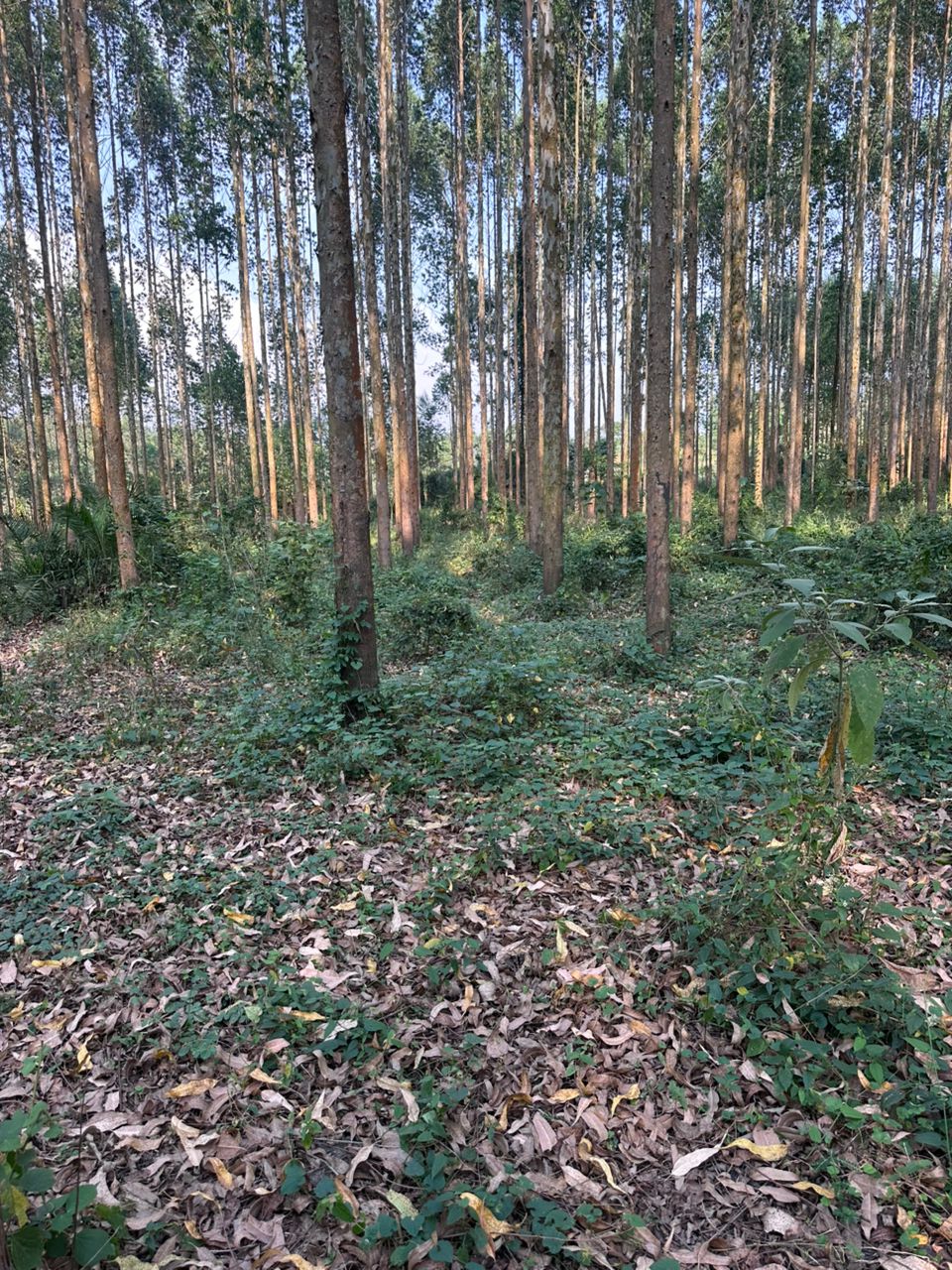
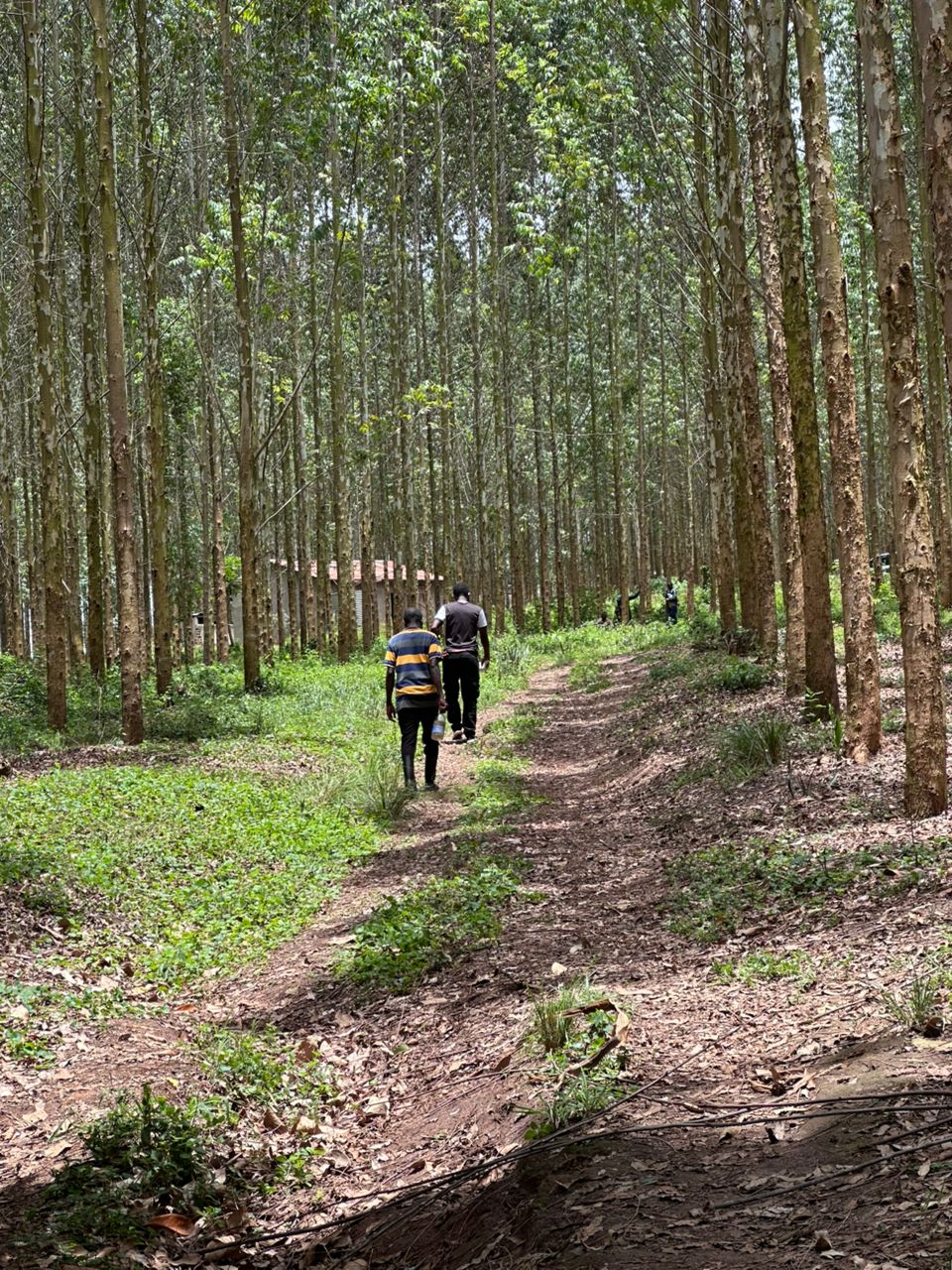
- Substitution is a conservation outcome. A eucalyptus woodlot that keeps a village out of a nearby reserve is doing conservation work, even though it is not habitat.
- Severely degraded sites. Some exotics establish on exhausted ground where natives will not, creating the conditions for natives to follow later — a nurse crop.
- Speed of cover. On actively eroding ground, fast cover matters more than species origin.
The dishonest move in both directions is claiming otherwise: presenting a eucalyptus block as habitat restoration, or insisting on natives for a fuelwood project that will consequently fail to supply anyone.
The Sourcing Problem
This is the practical obstacle nobody warns you about, and it derails more native restoration projects than any ecological factor.
- Native seedlings are often simply unavailable at the scale a project needs. Commercial nurseries grow what sells, and that is exotics.
- Seed collection is seasonal and skilled. Many native species have short viability windows and specific germination requirements.
- Provenance matters. Seed from a distant population of the same species may be poorly adapted to your site. Collect locally where possible.
- Genetic diversity matters. Seed from a handful of parent trees produces a narrow, vulnerable population.
- Lead times are long. Some species need a year or more in the nursery. Plan seed collection at least a year before you intend to plant.
For projects at any scale, the realistic answer is usually to establish or contract a dedicated nursery rather than assume you can buy native stock when you need it.
Planning native restoration? Seed collection starts a year before planting.
Practical Difficulties, Stated Honestly
| Difficulty | Reality | What helps |
|---|---|---|
| Availability | Often not commercially available | Dedicated nursery, planned a year ahead |
| Cost | Usually more per seedling than exotics | Budget realistically; use natives where they matter most |
| Growth rate | Generally slower | Longer project horizon; do not promise fast cover |
| Survival | Can be lower if provenance is wrong | Local seed sources; match species to microsite |
| Knowledge | Silviculture often poorly documented | Local knowledge, trials, accept some learning |
| No income for years | Long rotations, deferred returns | Combine with productive species in a zoned design |
Doing Both, Deliberately
The strongest restoration designs we see zone the site rather than choosing one philosophy:
- Native species in the ecological core — riparian buffers, connectivity corridors, areas adjacent to natural habitat.
- Fast-growing production species in a defined block, sited on already-degraded ground, supplying the wood that would otherwise be taken from the core.
- An agroforestry transition zone between them, so local people gain rather than lose from the boundary.
- Exotics as a nurse crop on the hardest ground, with native enrichment planted underneath once conditions improve.
That is a conservation design. Choosing a single species philosophy and applying it uniformly across a varied site is not.
Frequently Asked Questions
Should restoration always use native species?
For habitat restoration, yes — ecological function depends on the species that evolved there, and local fauna depend on local flora.
For wood production, and particularly where the aim is to relieve harvesting pressure on natural forest, fast-growing exotics often do that job far better. The right answer depends on the objective.
Why are native seedlings so hard to get?
Commercial nurseries grow what sells, and that is fast-growing exotics. Native species also have seasonal seed collection windows, short viability, specific germination requirements and long nursery periods.
For any project at scale, plan on establishing or contracting a dedicated nursery, and start seed collection at least a year before you intend to plant.
Are exotic trees bad for the environment?
Not inherently. Sited appropriately, fast-growing exotics can relieve pressure on natural forest, stabilise degraded ground and act as a nurse crop for native regeneration.
They are harmful when planted in wetlands and riparian zones, when they replace natural vegetation, or when a plantation is presented as habitat restoration.
What is provenance and why does it matter?
Provenance is where the seed came from. Seed from a distant population of the same species may be poorly adapted to your site's rainfall, altitude and soils, giving poor survival and growth.
Collect from local populations where possible, and from enough parent trees to give the planted population genetic diversity.
Can I mix native and exotic species in one project?
Yes, and the strongest designs usually do — zoned rather than mixed indiscriminately. Natives in the ecological core, production species on already-degraded ground, and an agroforestry transition between them.
Applying a single species philosophy uniformly across a varied site is rarely the best ecological or economic answer.
Plan the Sourcing Before the Planting
Native restoration fails on seedling availability more than on ecology. Seed collection starts a year before you plant.
Over a decade establishing, measuring and managing eucalyptus, pine and indigenous plantations across Uganda. Based in Wakiso, Kampala. Reviewed and updated September 6, 2026.
Keep going
These apply the same way in any country.