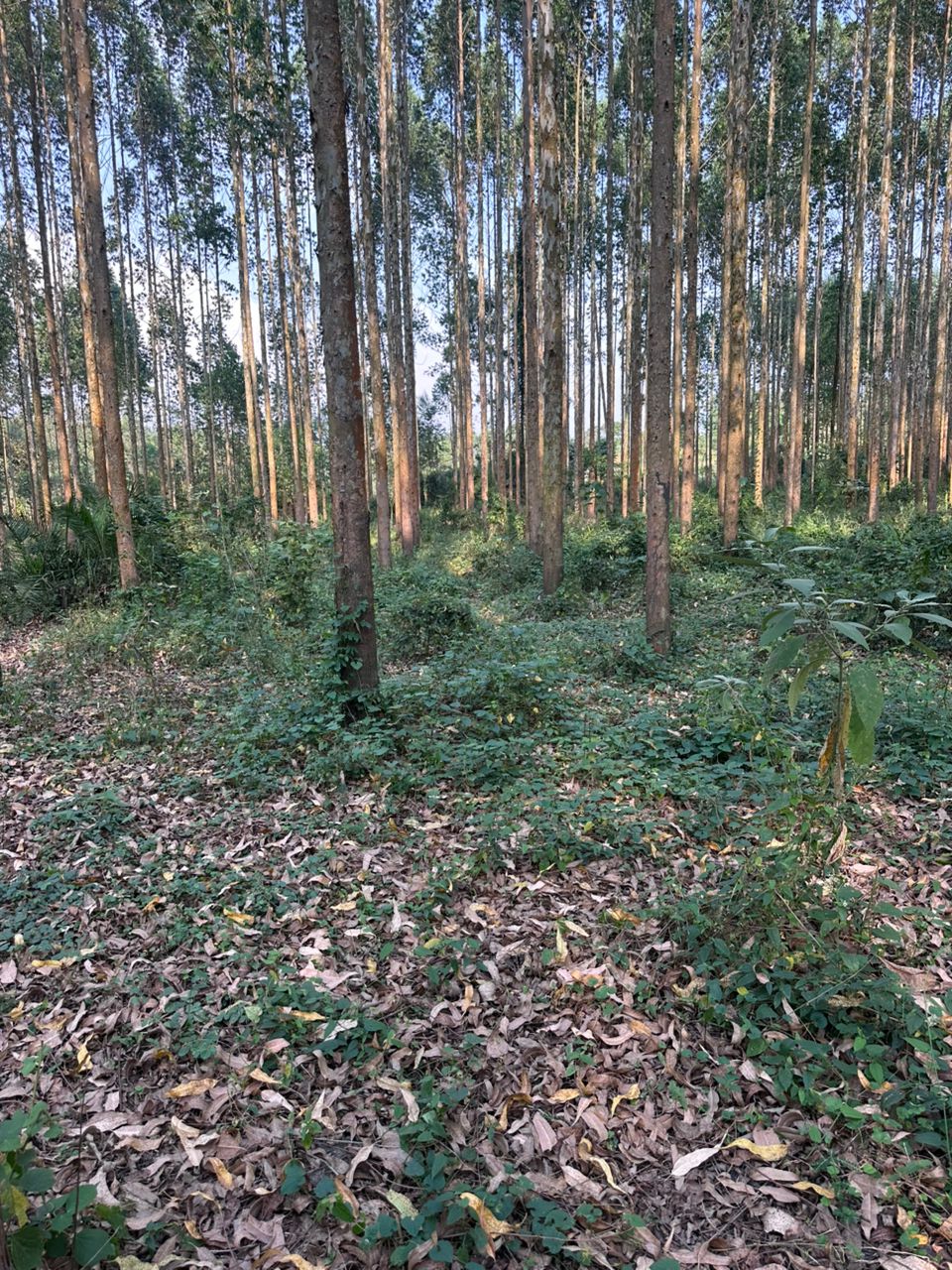
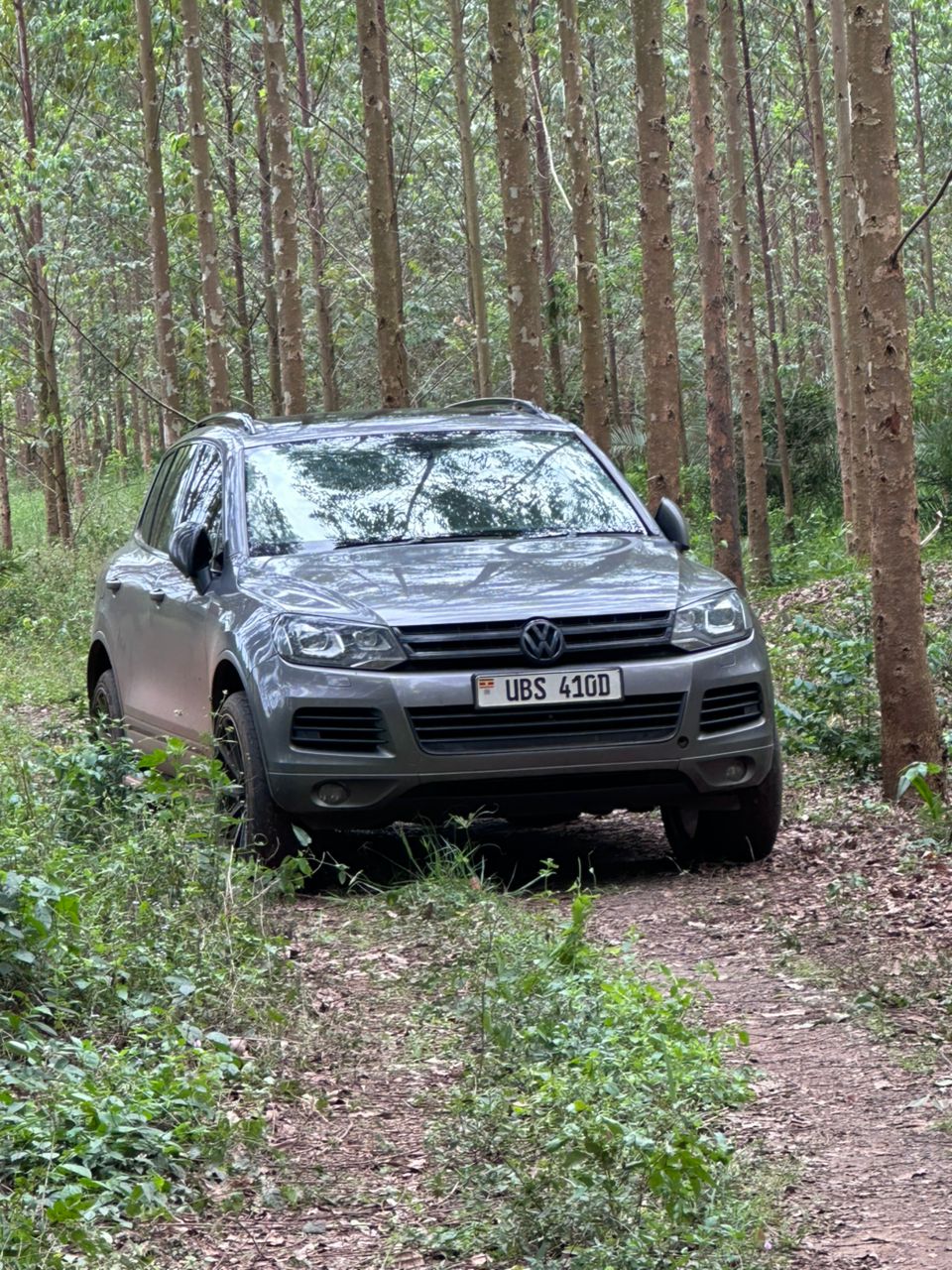
Failed Plantation: Rescue It or Start Again?
Rescue if the cause was management. Restart if the cause was the site or the stock.
Management failures — missed weeding, no thinning, no beating up — can sometimes be partly recovered. Site failures — waterlogging, shallow soil, wrong species — cannot. No amount of subsequent effort fixes a stand planted on ground that will not carry it.
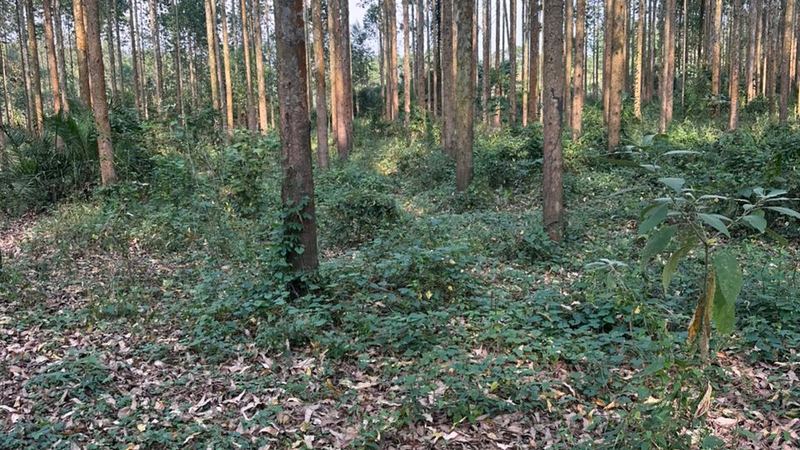
Diagnose Before You Decide
| What you see | Likely cause | Rescue or restart? |
|---|---|---|
| Uniformly thin stems, dense stand, closed canopy | Planted too tight, never thinned | Rescue if young enough — thin hard |
| Thin stems plus heavy grass at the collar | No year-one weeding | Partial rescue — growth already lost |
| Big gaps across the block | Poor survival, never beaten up | Rescue — fill gaps, accept uneven ages |
| Yellow, stunted trees in a low-lying area | Waterlogging | Restart elsewhere — that ground is not plantable |
| Stunted across the whole block, shallow soil in pits | Site too shallow for the species | Restart with a tolerant species — usually pine |
| Bushy multi-stemmed young trees, galls on midribs | Gall wasp | Depends on severity and age |
| Trees cut through at ground level | Termites | Restart with better establishment practice |
| Variable growth, some good some poor | Mixed stock or variable soil | Rescue the good, replant the rest |
Dig three soil pits before deciding anything. If rooting depth is under 50cm or you find grey mottled horizons, no management change will rescue that ground — see soil requirements.
We diagnose the cause on site, then tell you plainly which of the two it is.
When Rescue Works
- Too dense, still young. Thin hard and early — remove the poorest 40–50% and let the rest put on diameter. The earlier you do it, the more you recover.
- Gappy but otherwise healthy. Fill the gaps, accept a two-age stand, and harvest in two passes.
- Weedy but the trees are alive. Weed properly now. You will not recover lost growth, but you stop losing more.
- Unpruned where pruning matters (teak). Prune what is still prunable. Knots already formed are permanent, but future growth can be clean.
- Coppice that was never thinned. Reduce to one or two strong stems per stump. Straightforward and immediately effective.
When to Start Again
- The ground is waterlogged or too shallow. Change species or change land. This is not a management problem.
- Survival is below about 50% and the survivors are poor. Filling that many gaps produces an unmanageable mixed-age mess.
- The species is simply wrong for the rainfall zone. Ten more years will not fix it.
- The stand is past the point where thinning helps — typically a badly overstocked pine block at fifteen years. Salvage what you can and replant.
Restarting is not failure. On eucalyptus the stumps may coppice, giving you a head start — assess before clearing.
The Sunk Cost Trap
The money you already spent is gone either way
- The only question that matters is: from today, which option returns more per shilling from here?
- What you spent on the failed establishment is irrelevant to that comparison. It is gone whichever you choose.
- Growers routinely spend three more years managing a stand that was never going to reach grade, because starting again feels like admitting waste.
- Three more years of management on a hopeless block is the actual waste.
Model both options honestly with the investment calculator — run the rescue case with reduced yield and the restart case with full establishment cost, and compare from today forward.
Frequently Asked Questions
How do I know if my plantation is worth saving?
Diagnose the cause first. If it was management — missed weeding, no thinning, no beating up — partial rescue is often possible. If it was the site or the stock, it is not.
Dig three soil pits. Rooting depth under 50cm or grey mottled horizons means the ground itself is the problem, and no management change fixes that.
Can I thin a plantation that was planted too close?
Yes, and the earlier the better. Removing the poorest 40–50% lets the remainder put on diameter.
You will not recover growth already lost to competition, and past a certain point — typically a badly overstocked pine block at fifteen years — the stems are permanently suppressed and thinning no longer helps.
My survival was only 40%. Should I fill the gaps or start again?
Below roughly 50% survival with poor survivors, filling gaps produces an unmanageable mixed-age stand that is awkward to weed, thin and harvest.
Usually cleaner to clear and restart — and on eucalyptus the existing stumps may coppice, giving you a head start. Assess before clearing.
Should I keep managing a bad block because I already spent money on it?
No. What you already spent is gone whichever option you choose, so it should play no part in the decision.
The only question is which option returns more per shilling from today forward. Growers routinely spend three more years on a hopeless stand because restarting feels like admitting waste — and those three years are the actual waste.
Will eucalyptus coppice if I clear a failed block?
Often yes, if the root systems are healthy and the stumps are cut properly. That can give a restart a significant head start at no establishment cost.
But if the block failed because the site is waterlogged or too shallow, the coppice will fail for the same reason. Fix the site question first.
Rescue or Restart? Get a Straight Answer
We diagnose the cause, model both options from today forward, and tell you which returns more. Sometimes the answer is to stop spending.
Over a decade establishing, measuring and managing eucalyptus, pine and indigenous plantations across Uganda. Based in Wakiso, Kampala. Reviewed and updated September 6, 2026.