Eucalyptus Gall Wasp (Leptocybe invasa) in Uganda: Identify and Manage It
Leptocybe invasa — the eucalyptus gall wasp or blue gum chalcid — is the most significant eucalyptus pest across East Africa. A tiny wasp lays eggs in young shoots, leaf midribs and petioles; the plant responds by forming bump-like galls, and heavily attacked seedlings become stunted, deformed and may die.
It attacks young material — nursery stock and trees in the first year or two. Established stands past canopy closure are far less affected.
There is no spray that solves this for a plantation grower. The realistic controls are tolerant planting material, nursery hygiene, and keeping trees growing vigorously so they outrun the damage.
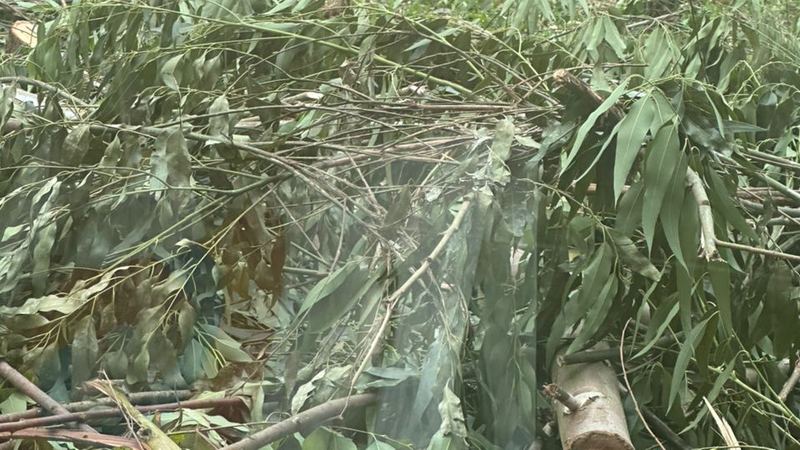
If you have young eucalyptus with swollen bumps along the leaf ribs and stalks, twisted new growth and stalled height, this is almost certainly what you are looking at. It arrived in East Africa in the 2000s and spread rapidly, and it is now a standing consideration in any Ugandan planting decision.
How to Identify It
| Look at | What you see |
|---|---|
| Leaf midribs | Rows of small rounded swellings along the central rib, often pinkish or reddish when fresh, hardening and browning later |
| Leaf stalks (petioles) | Bumpy, thickened, distorted |
| Young shoots and stems | Lumpy swellings; shoot tips twisted or dying back |
| Overall form | Stunted height, bushy multi-shoot growth instead of a single leader, small distorted leaves |
| The insect itself | Very small dark wasp, a couple of millimetres — you will usually see the galls, not the adult |
| Age of trees affected | Nursery stock and field trees in the first one to two years. Mature stands largely unaffected |
What it is not: nutrient deficiency shows as uniform discolouration without swellings; termite damage shows at the root collar with the stem cut or ring-barked at ground level; drought stress wilts and browns leaf margins without galling. Galls are distinctive once you have seen them.
What It Actually Does
The galls are the plant's response, not the damage itself. The damage is what follows:
- Growth is diverted. Energy that should build height and stem goes into gall tissue instead.
- The leader is lost. Repeated attack on shoot tips produces bushy multi-stemmed growth rather than a single straight stem — permanent form damage in a pole crop.
- Establishment fails. Heavily attacked seedlings in the first months may simply die, and survivors are set back a season or more.
- Uniformity is lost. Patchy attack produces a stand with gaps and suppressed stems, which is expensive at harvest.
The commercial consequence is not usually a dead plantation. It is a plantation that reaches year seven with stems that do not meet pole specification — the same outcome as bad spacing, arrived at by a different route.
Which Species and Clones Suffer Most
Susceptibility varies significantly, and this is the single most useful lever a grower has.
- E. grandis and E. camaldulensis — both are commonly and heavily attacked. Uganda's two most-planted species are among the more susceptible, which is the core of the problem.
- GU (grandis × urophylla) hybrids — E. urophylla parentage is generally associated with better tolerance, and GU clones are often chosen partly for that reason.
- Clone-by-clone variation is large. Two GU clones can behave very differently. The clone number matters here more than the cross.
- E. globulus — grown at altitude where pressure tends to be lower.
The question to ask every nursery
- "What is this clone's gall wasp tolerance record in this region?"
- A legitimate clonal nursery will have an answer. A supplier who has never been asked, or who dismisses the question, is telling you something.
- Tolerance data is regional — a clone that performs in one country's trials may not in another. Ask about local performance.
- Verify current recommendations with NARO / NaFORRI or your district forestry officer before a large order. Clone recommendations change as pest populations shift.
Planning a large clonal order? We inspect the nursery before you pay.
What You Can Actually Do
Before planting — where the leverage is
- Choose tolerant material. Far and away the most effective control available to a plantation grower.
- Do not plant a whole block of one clone. A monoclonal block shares a single vulnerability. On larger holdings, mix clones or retain some seedling-grown material. This is cheap insurance.
- Inspect nursery stock and reject galled seedlings. Planting infested stock imports the problem into a clean site. Check leaf midribs and petioles at delivery — see buying seedlings in Uganda.
- Match species to site properly. A stressed tree on the wrong site suffers far more than a vigorous one. Site selection is pest management.
After planting — keep them growing
- Weed hard in year one. Trees that grow fast pass through the vulnerable window quickly. This is the single most useful field operation.
- Fertilise where soils are poor. Vigour is the defence.
- Beat up promptly so gaps do not become permanent.
- Monitor monthly for the first two years. Walk the block and look at new growth. Early detection lets you make replanting decisions while they are still cheap.
What does not work
- Spraying a plantation. The larvae develop inside plant tissue, protected from contact insecticides. Repeated spraying over hectares is neither economic nor effective, and treating a field crop as if it were a nursery pot wastes money.
- Cutting off galled leaves. Feasible on a handful of nursery plants, meaningless across a block.
- Waiting for it to pass. Populations persist. The stand either has tolerance and vigour, or it does not.
Biological control — parasitoid wasps that attack Leptocybe — has been deployed in several countries in the region and is the most promising long-term route. It is a national programme rather than something an individual grower implements. Ask NARO or your district forestry office about the current position in Uganda.
The Other Pests Worth Knowing
| Pest | What you see | Response |
|---|---|---|
| Blue gum chalcid Leptocybe invasa | Galls on midribs, petioles, young shoots | Tolerant clones, vigour, nursery hygiene |
| Bronze bug Thaumastocoris peregrinus | Leaf bronzing and reddening, canopy thinning on older trees | Species and clone selection; monitor |
| Red gum lerp psyllid Glycaspis brimblecombei | Small white conical coverings on leaves, sticky honeydew, sooty mould | Species selection; generally less damaging |
| Termites | Seedlings cut or ring-barked at ground level, wilting and toppling | See below — the big establishment killer |
Termites: The Underrated Uganda Problem
Growers arrive worried about gall wasp and lose more seedlings to termites. In much of Uganda — particularly the drier central and northern districts — termites are the leading cause of first-year mortality after simply planting into dry soil.
- Symptoms: seedlings wilt and topple; inspect at ground level and you find the stem cut or ring-barked, often with soil sheeting on the bark.
- Timing: worst in the first months and during dry spells, when there is little else for them to eat.
- Prevention: plant into properly established rains, use robust well-hardened seedlings, clear crop residue from planting pits (it attracts them), and beat up promptly.
- Site history matters. Land newly cleared from bush or with visible mounds carries higher risk. Factor it into the establishment budget rather than discovering it in month two.
Both problems point to the same conclusion: establishment quality is pest management. Good stock, planted at the right time into a properly prepared site and weeded hard, survives pressure that kills a poorly established block. See our tree planting service — we contract on survival, not on seedlings in the ground.
Frequently Asked Questions
What causes bumps on my eucalyptus leaves in Uganda?
Almost certainly Leptocybe invasa, the eucalyptus gall wasp or blue gum chalcid. The wasp lays eggs in young shoots, leaf midribs and petioles, and the plant forms bump-like galls in response.
Look for rows of small rounded swellings along the leaf midrib, thickened distorted leaf stalks, and twisted or dying shoot tips. It affects young trees — nursery stock and field trees in the first year or two.
Can I spray for eucalyptus gall wasp?
Not effectively at plantation scale. The larvae develop inside plant tissue where contact insecticides cannot reach them, and repeated spraying across hectares is neither economic nor effective.
The controls that actually work for a grower are tolerant planting material, nursery hygiene, and keeping trees growing vigorously so they pass through the vulnerable window quickly.
Which eucalyptus clones tolerate gall wasp?
Tolerance varies clone by clone, and GU (grandis × urophylla) hybrids are generally associated with better tolerance than pure E. grandis or E. camaldulensis — but two GU clones can behave very differently, so the clone number matters more than the cross.
Ask your nursery directly what a clone's tolerance record is in your region, and verify current recommendations with NARO / NaFORRI or your district forestry officer before a large order. Recommendations change as pest populations shift.
Will gall wasp kill my whole plantation?
Rarely. The usual outcome is not a dead plantation but a plantation that reaches year seven with stems that do not meet pole specification — stunted, multi-stemmed, patchy.
Heavily attacked seedlings in the first months can die outright, which is why nursery stock inspection and prompt beating up matter.
My seedlings are wilting and falling over at ground level. Is that gall wasp?
No — that is almost certainly termites. Inspect at ground level: you will typically find the stem cut or ring-barked, often with soil sheeting on the bark.
Termites are a leading cause of first-year mortality in much of Uganda, particularly in drier central and northern districts and on land newly cleared from bush. Gall wasp causes galling and stunting, not clean severance at the collar.
Should I plant a single clone across my whole block?
On a large block, we would advise against it. A monoclonal planting shares a single vulnerability — if that clone turns out to be susceptible to a pest that arrives or intensifies, the whole block is exposed.
Mixing two or three clones, or retaining some seedling-grown material, costs almost nothing and spreads the risk meaningfully.
Seeing Galls on Young Trees?
Early identification decides whether you replant a block or lose it. Send us photographs and we will tell you what you are looking at.
Over a decade establishing, measuring and managing eucalyptus, pine and indigenous plantations across Uganda. Based in Wakiso, Kampala. Reviewed and updated August 13, 2026.