What Conservation Consultancy Actually Involves
- Baseline ecological assessment — what is actually there now: vegetation, species, condition, threats. Without this, nothing afterwards can be measured.
- Restoration design — which species, in what mix, at what density, on which part of the site, and in what sequence.
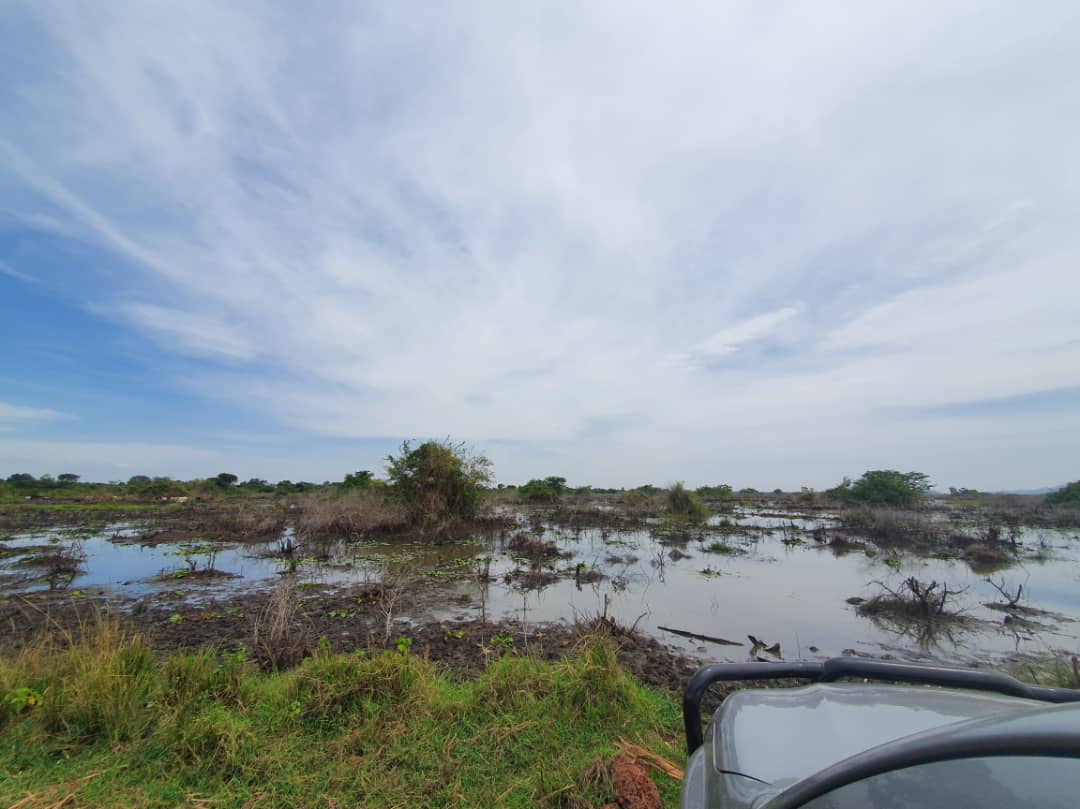
- Catchment and wetland protection — buffer design, riparian restoration, erosion control.
- Biodiversity assessment and monitoring — establishing indicators that can actually be re-measured by someone else later.
- Community conservation design — because a programme that costs local people their livelihood does not survive, whatever the ecology says.
- Corporate conservation and offset programmes — designed to withstand scrutiny from buyers, lenders and auditors.
- Monitoring, reporting and verification — the part that turns a project into evidence.
How We Approach It Differently
Three commitments
- We design to survival, not to planting. Anyone can put seedlings in the ground. The question that matters is what is alive and growing in year five, and that is decided by species matching, site preparation, aftercare and whether local people have a reason to protect it.
- We measure baselines before we start. A restoration project with no measured starting point cannot demonstrate anything, ever. This is the most common structural failure we are asked to fix.
- We will tell you when a site does not need restoring. Some degraded land recovers faster and cheaper through assisted natural regeneration than through planting. Selling you a planting programme you do not need is not a service.
Who We Work With
| Client | Typical need |
|---|---|
| Companies | Conservation or offset programmes with credible measurement; ESG and buyer requirements |
| NGOs and development partners | Programme design, technical oversight, independent survival monitoring |
| Government and agencies | Catchment restoration, degraded reserve rehabilitation, technical assessment |
| Landowners and estates | Riparian buffers, erosion control, biodiversity value alongside production |
| Carbon and nature project developers | Ecological baselines, land-cover history, monitoring design |
| Institutions | Campus and community greening that lasts beyond one administration |
Conservation and Production Are Not Opposites
Our roots are in commercial forestry, and we think that makes us better at this rather than worse. The most durable conservation outcomes in Uganda are the ones where the land also produces something — agroforestry, buffer planting that yields fodder and stakes, woodlots that take pressure off natural forest.
Programmes that ask people to give up productive land without replacing the income tend to fail quietly, three years after the launch photographs.
Where We Work
Our team is based in Wakiso, just outside Kampala, and works across Uganda — Kampala, Wakiso, Mukono, Mpigi, Luwero, Mubende, Masindi, Hoima, Mbarara, Fort Portal, Gulu and beyond — with regional assignments across East and Central Africa.