Does Eucalyptus Really Dry Up Water? The Honest Answer for Uganda
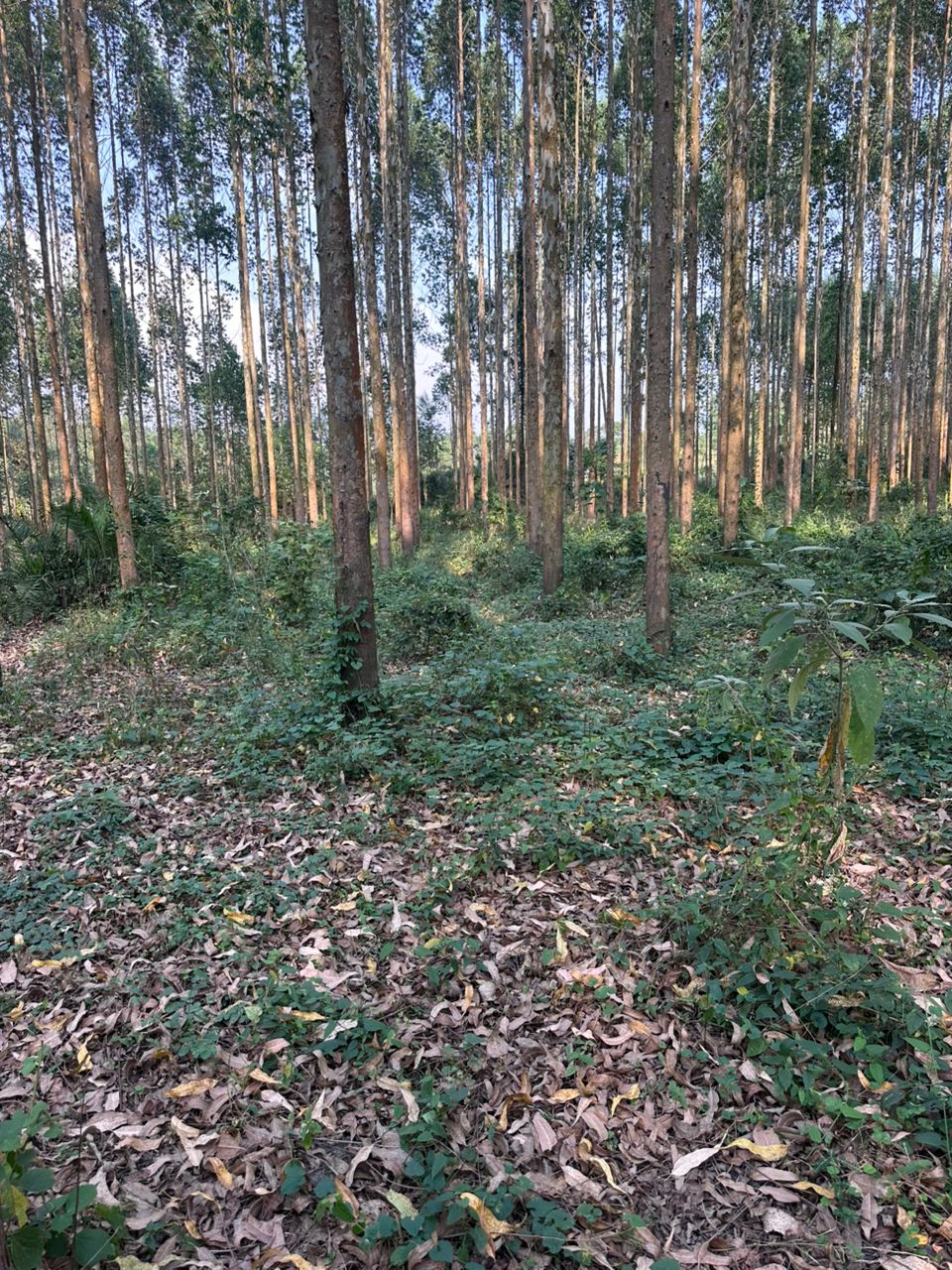
Partly true, and the part that is true is about where it is planted, not what it is. Eucalyptus grows fast, and fast growth requires water — a vigorous eucalyptus stand transpires more per hectare per year than slower-growing vegetation.
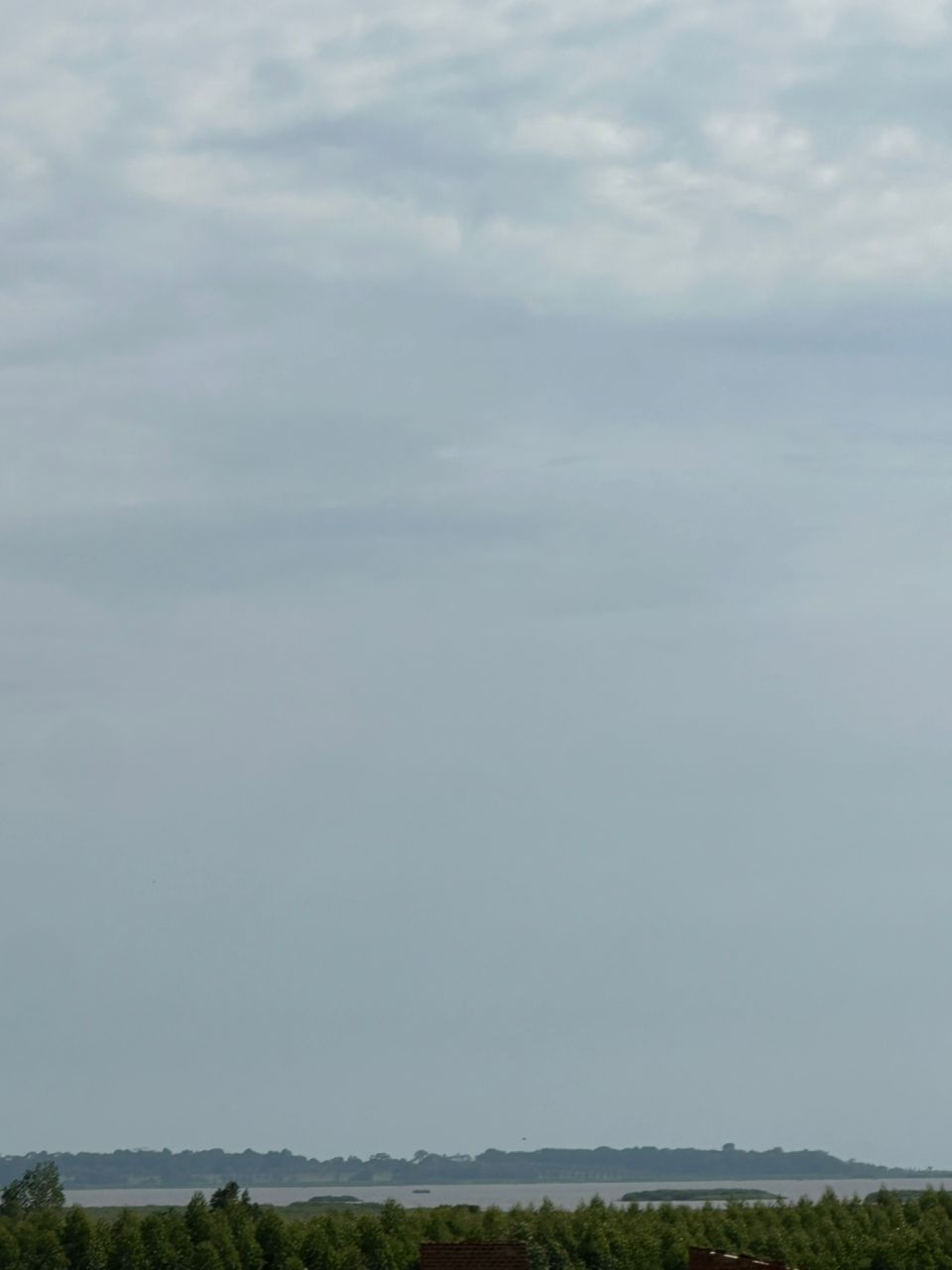
But almost all the documented harm in Uganda comes from planting in the wrong places: wetlands, valley bottoms, riverbanks and lakeshores, where the trees tap directly into the water resource everyone else depends on.
Eucalyptus on well-drained upland sites, with proper setbacks from watercourses, is a legitimate and productive land use. Eucalyptus in a wetland is both an ecological problem and, in Uganda, a legal one.
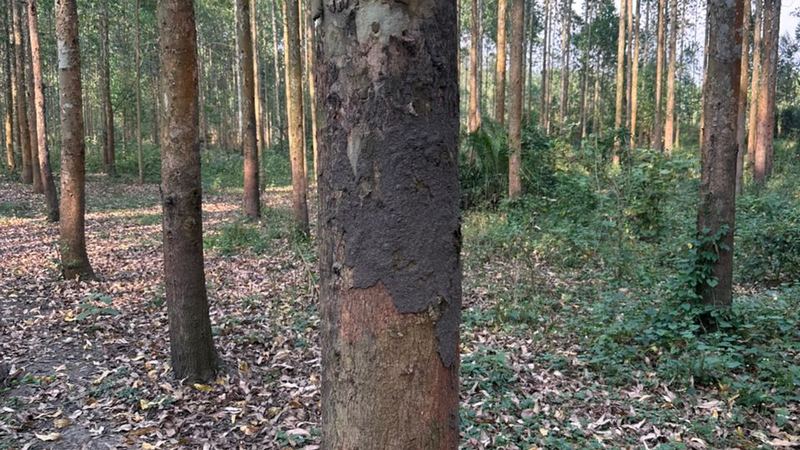
This argument has been running in Uganda for decades and generates more heat than light. Growers hear that eucalyptus is being blamed for drying streams; neighbours downhill see a spring that used to run. Both are describing something real. The resolution is more specific than either side usually allows.
What the Evidence Actually Shows
Four findings are well established and worth stating precisely:
- Water use tracks growth rate. Trees build wood from water and carbon. A stand producing high volumes per hectare per year is necessarily moving a lot of water. This is not a defect peculiar to eucalyptus — any fast-growing species does it.
- Per unit of wood produced, eucalyptus is efficient. This is the distinction people miss. Eucalyptus uses a lot of water per hectare per year, but relatively little per cubic metre of wood grown. If your alternative is a slower species occupying the land for three times as long to produce the same volume, the water arithmetic is not obviously in the slower tree's favour.
- Roots reach deeper than most crops. Eucalyptus can draw on soil moisture below the reach of shallow-rooted annual crops. On an upland site that is an advantage. Beside a wetland it means the tree is drinking from the water body directly.
- Effects are a catchment-scale question. A few acres in a large catchment is not measurable. A substantial share of a small catchment under fast-growing plantation, particularly in the valley bottoms and along the drainage lines, is a different matter entirely.
The sentence that resolves most of the argument
- It is not eucalyptus versus no eucalyptus. It is eucalyptus in the valley versus eucalyptus on the hill.
- The same species, the same acreage, the same grower — placed differently — produces either a genuine local water problem or none at all.
- Which means the decision that matters was made at site selection, before a single seedling was bought.
Siting Is the Whole Argument
| Where it is planted | Hydrological effect | Verdict |
|---|---|---|
| Wetland / swamp | Direct draw on the water body; drying and subsidence of peat soils | Do not. Also unlawful in Uganda. |
| Riverbank / lakeshore within the protection zone | Direct draw plus loss of the buffer's filtering function | Do not. Statutory buffers apply. |
| Valley bottom with seasonal water | Significant local drawdown; also poor for the trees | Avoid — and eucalyptus performs badly there anyway |
| Lower slope near a spring | Can measurably affect spring yield | Keep a generous setback; talk to neighbours first |
| Mid to upper slope, well drained | Normal transpiration; no disproportionate local effect | Appropriate |
| Degraded upland with no other productive use | Improves soil cover and reduces erosion | Often the best available land use |
There is a second reason to avoid the top rows that has nothing to do with the environment: eucalyptus grows badly in waterlogged ground. Growers who plant valley bottoms because "the soil looks rich" routinely get stunted, yellow, disease-prone stands. The ecological advice and the commercial advice point the same way.
We assess drainage, slope and setbacks before you commit to a layout.
What Ugandan Law Requires
This is not only good practice. Uganda's framework protects wetlands, riverbanks and lakeshores directly:
- The National Environment Act 2019 and the wetlands, riverbanks and lakeshores regulations made under Uganda's environmental framework establish protection zones along watercourses and around water bodies, within which cultivation and planting are restricted or prohibited.
- NEMA administers these provisions, and district environment offices enforce them locally.
- Depending on the scale and location of a planting scheme, an ESIA or project brief may be required before establishment — see our ESIA process guide.
The exact width of the applicable buffer depends on the water body and the instrument that governs it, and these provisions have been revised over time. Do not take a number from a blog post — including this one. Confirm the setback that applies to your specific watercourse with NEMA or your district environment officer before you mark out a block. It is a short conversation and it removes a category of risk that is expensive to discover later.
The practical consequence: planting a wetland margin can lead to a stop order, a restoration requirement, and the loss of everything you invested in that block. We have been called in to assess sites where exactly that happened.
Three Claims That Do Not Hold Up
"Eucalyptus poisons the soil so nothing else grows"
The bare ground under a eucalyptus stand is mostly explained by shade, dense litter and competition for water and nutrients — the same reason little grows under any closed canopy. Allelopathic effects are commonly asserted and much weaker in practice than the folk version suggests. Once a stand is harvested, ordinary vegetation returns.
"Eucalyptus lowers the water table across a district"
Effects are local and catchment-scale, not regional. A woodlot in Wakiso does not affect a spring in Mukono. Where whole small catchments are converted, particularly along drainage lines, measurable effects are plausible — which is an argument for catchment planning, not for banning the tree.
"Indigenous trees use no water"
All trees transpire. A fast-growing indigenous species on a good site uses water at rates comparable to eucalyptus. The genuine advantages of indigenous species are biodiversity, timber value and cultural fit — not that they are hydrologically free.
Planting Responsibly — A Checklist
- Walk the site in the wet season, not just the dry. Waterlogging that is obvious in April is invisible in January.
- Map the drainage lines and mark them as no-plant zones before laying out the block. Our GIS service does this as standard.
- Confirm the statutory setback for any watercourse, wetland margin or lakeshore with NEMA or the district.
- Leave the buffer in indigenous vegetation. It protects the water, satisfies the law, and costs you land you should not have planted anyway.
- Talk to downhill neighbours before planting, particularly if a spring or shallow well is involved. Most eucalyptus disputes in Uganda are neighbour disputes that became water disputes.
- Do not convert a whole small catchment to fast-growing plantation. Keep a mosaic.
When Eucalyptus Is the Wrong Tree
Sometimes the right answer is a different species:
- Waterlogged or seasonally flooded ground — eucalyptus performs poorly and causes the most objection. Consider indigenous wetland-edge species, and leave the wet ground alone.
- Poor, acidic, shallow upland soils — pine often does better and uses water more slowly over a longer rotation.
- Near homesteads, springs and shared water points — agroforestry species and fruit trees carry the social licence that eucalyptus does not.
- Where the objective is biodiversity or long-term timber value — musizi and the indigenous hardwoods.
Eucalyptus earns its place in Uganda on well-drained upland ground, with buffers respected and neighbours informed. Put it there and the controversy largely disappears.
Frequently Asked Questions
Does eucalyptus dry up water sources?
It can, where it is planted in or beside them. Eucalyptus grows fast, and fast growth requires water; roots that reach deeper than most crops mean a stand planted in a wetland, valley bottom or riparian strip draws directly on the water resource.
On well-drained upland ground with proper setbacks from watercourses, the effect is ordinary transpiration and no disproportionate local impact. The problem is siting, not the species.
Can I plant eucalyptus near a river or wetland in Uganda?
Not within the statutory protection zone. Uganda's environmental framework establishes protection zones along riverbanks, lakeshores and around wetlands, within which planting and cultivation are restricted or prohibited.
The applicable width depends on the water body and the instrument that governs it, and the provisions have been revised over time. Confirm the setback for your specific watercourse with NEMA or your district environment officer before marking out a block — a stop order and a restoration requirement cost far more than the conversation.
How much water does a eucalyptus tree use?
Water use tracks growth rate rather than being a fixed figure per tree, and varies enormously with species, age, stocking, rainfall and soil. Any single number you see quoted should be treated with suspicion.
The more useful comparison: eucalyptus uses a lot of water per hectare per year, but relatively little per cubic metre of wood produced. Against a slower species occupying the land three times as long for the same volume, the arithmetic is not obviously in the slower tree's favour.
Does eucalyptus poison the soil so nothing grows under it?
Largely no. The bare ground under a eucalyptus stand is mostly explained by shade, dense litter, and competition for water and nutrients — the same reason little grows under any closed canopy.
Allelopathic effects are commonly asserted and much weaker in practice than the folk version suggests. Ordinary vegetation returns after harvest.
My neighbour says my eucalyptus dried his spring. Is that possible?
It is possible if the trees are close to the spring or sit on the ground that feeds it, particularly on a lower slope or along a drainage line. It is not plausible if the block is on upland ground some distance away.
In practice most eucalyptus disputes in Uganda are neighbour disputes that acquired a water argument. Walk the ground together, look at where the block actually sits relative to the recharge area, and if there is a genuine issue a setback or a partial clearance usually resolves it. We are sometimes asked to assess these independently.
What should I plant instead if my site is too wet?
Leave genuinely wet ground unplanted — it is both the legal position and the commercially sensible one, because eucalyptus grows badly in waterlogged soil and produces stunted, disease-prone stands.
On poor, acidic or shallow upland soils, pine is often the better crop. Near homesteads and shared water points, agroforestry and fruit species carry social licence that eucalyptus does not.
Not Sure If Your Site Is Suitable?
Wetland margins, riverbanks and valley bottoms carry both hydrological and legal risk. We assess the site and tell you where you can plant and where you cannot.
Over a decade establishing, measuring and managing eucalyptus, pine and indigenous plantations across Uganda. Based in Wakiso, Kampala. Reviewed and updated August 13, 2026.