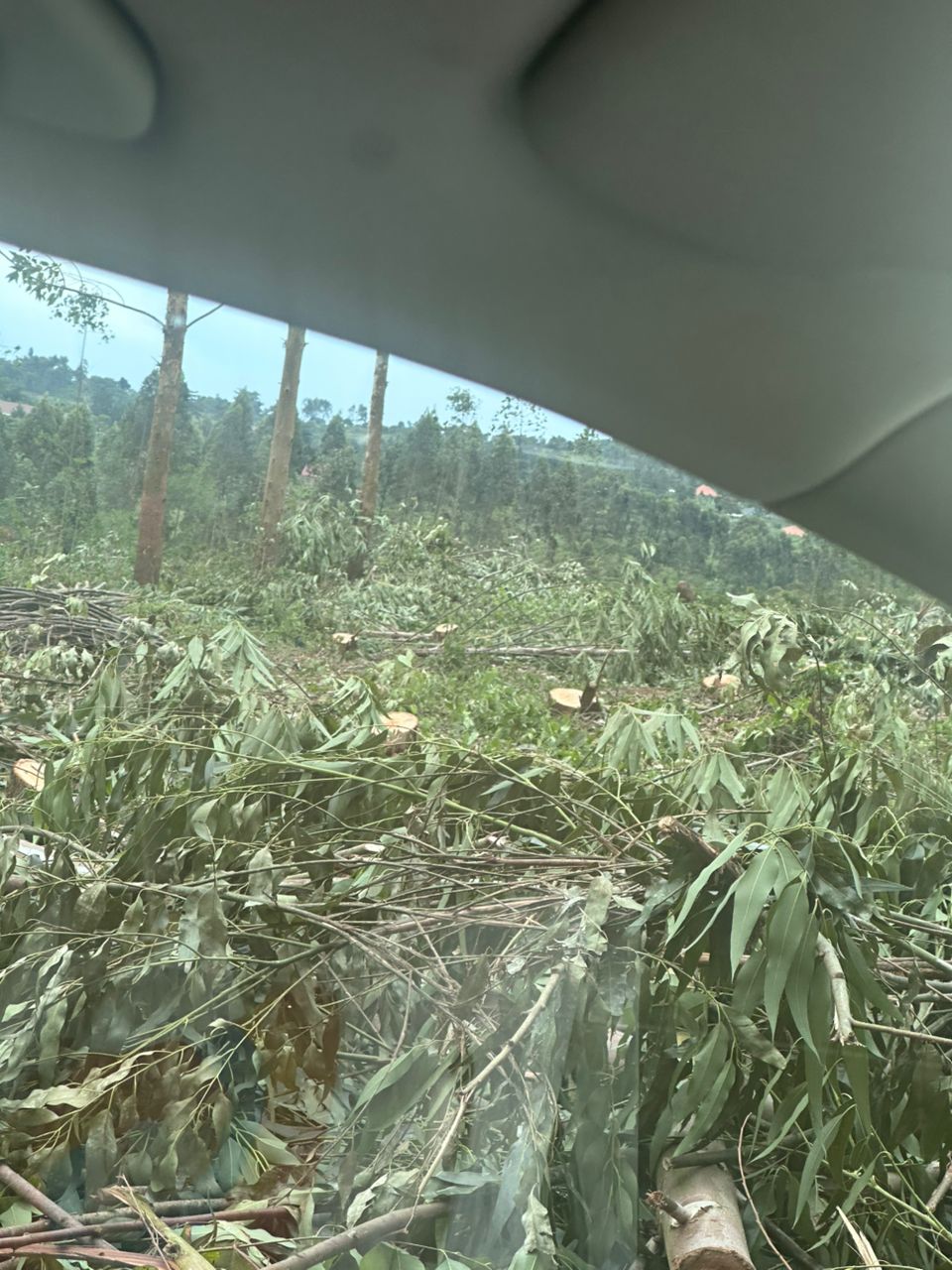
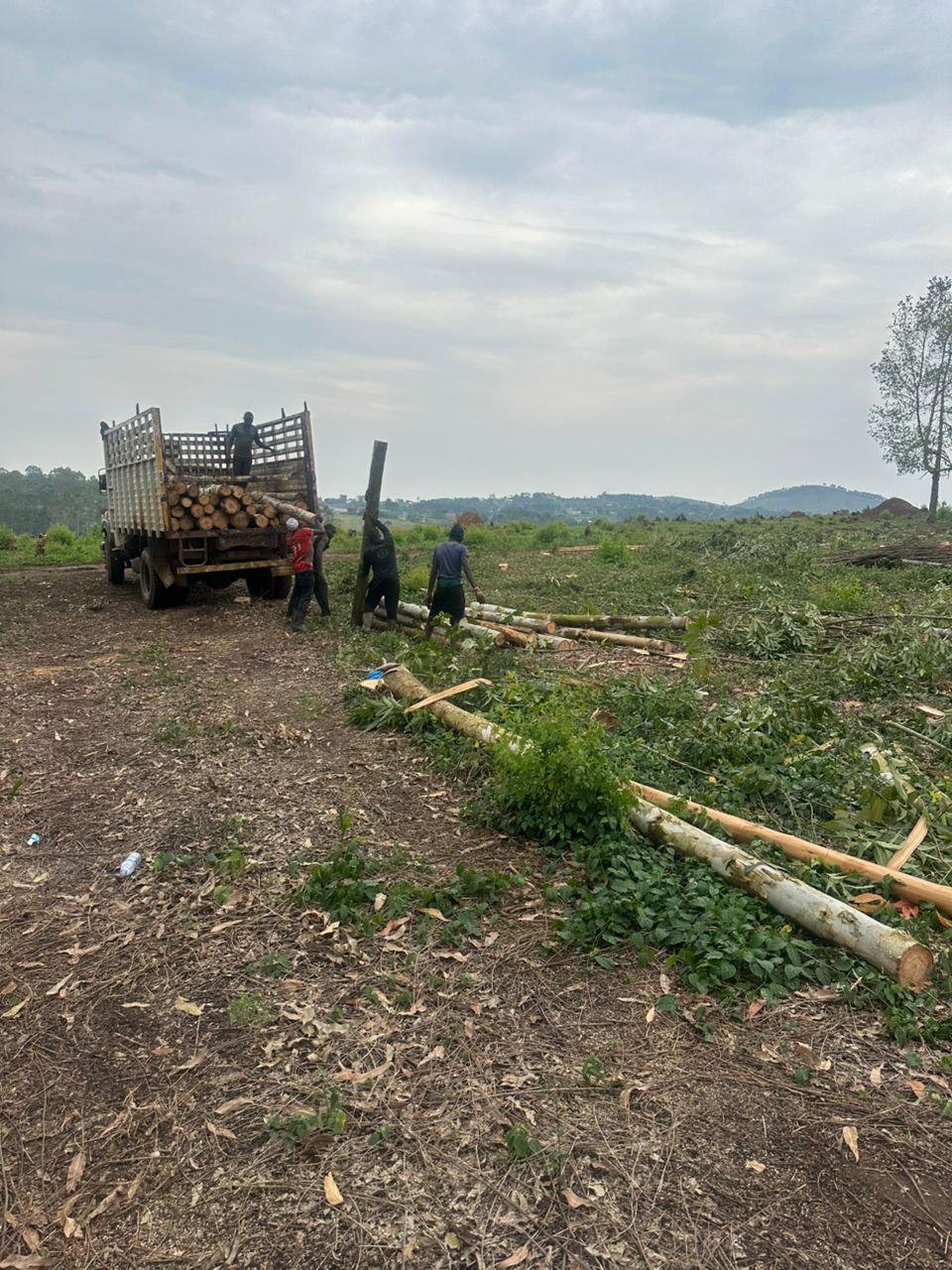
Woodlots for Schools, Churches and Hospitals in Uganda
A boarding school, church, hospital or training institute with idle land and a firewood bill is one of the best woodlot cases in Uganda. You have the land, you have a guaranteed internal buyer, and eucalyptus coppices — so one establishment cost supplies fuel for decades.
The species is almost always eucalyptus, planted for fuelwood at 2m × 2m (1,012 trees per acre), first cut at 3–5 years, then repeatedly from coppice.
The thing institutions get wrong is not silviculture. It is governance — woodlots planted under one head teacher and cut for cash by the next.
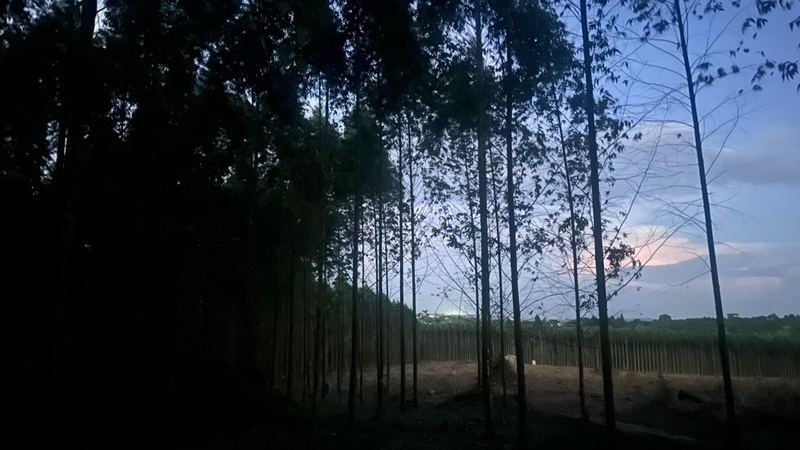
Across Uganda, institutions sit on land that produces nothing while paying substantial sums for firewood every term. Boarding schools in particular burn a great deal of wood, and the price rises steadily as accessible supply shrinks. A woodlot converts a recurring expense into an asset.
Why It Works for Institutions
- The land is already yours. No acquisition cost, which is usually the largest barrier for a private grower.
- You are the buyer. No marketing, no price negotiation, no transport — you consume it. This removes the single biggest risk in smallholder forestry.
- The saving is immediate and visible in the budget line every term once the woodlot comes into production.
- Eucalyptus coppices. One establishment cost, then repeated harvests from the same stumps for two or three rotations.
- Surplus is saleable. Institutions that plant more than they burn sell poles locally.
- Labour is often available for weeding and firebreak maintenance in a way it is not on a private block.
- It is a teaching asset in a school, which is a genuine secondary benefit.
How Much Land Do You Need?
Work backwards from consumption. The method matters more than any number we could publish, because kitchen efficiency, wood quality and enrolment vary so much.
The sizing method
- Measure what you actually burn. Record deliveries for a full term — loads, weights or volumes and what they cost. Most institutions have never done this.
- Annualise it, allowing for terms in session versus holidays.
- Divide by expected yield per acre per year. A eucalyptus fuelwood block on a reasonable site, cut on a short coppice rotation, produces a usable annual yield per acre that a forester can estimate for your specific site and rainfall.
- Divide the block into annual coupes. If your rotation is four years, split the woodlot into four sections and cut one each year — giving a continuous supply rather than a glut and then nothing.
- Add 20–30% for growth in enrolment, poor years and firebreaks.
The annual-coupe structure is the part institutions most often miss, and it is what turns a woodlot into a fuel supply rather than a one-off harvest.
What to Plant
| Purpose | Species | Spacing | Notes |
|---|---|---|---|
| Kitchen firewood | E. camaldulensis or E. grandis | 2m × 2m (1,012/acre) | Camaldulensis is denser and coppices strongly; grandis grows faster on good sites |
| Poles for sale / construction | E. grandis or GU clone | 2.5m × 2.5m (647/acre) | Longer rotation, higher value per stem |
| Shade and amenity | Indigenous — nsambya, nongo, muwafu, fruit trees | Scattered | Around compounds and playing fields, not in the production block |
| Long-term asset | Musizi, muvule, mahogany | 3m × 3m or wider | A small block as an endowment for the institution's future |
Keep the production block away from buildings, water sources and playing fields. Eucalyptus near a borehole or a spring generates the objections described in eucalyptus and water, and an institution has more neighbours watching than a private grower does.
We size the woodlot against your actual consumption, not a rule of thumb.
The Part Institutions Get Wrong
We have assessed institutional woodlots that were technically excellent and institutionally doomed. The pattern is consistent: a committed head teacher, priest or administrator plants a block; three years later they are transferred; the successor sees standing trees and a cash need.
| Risk | What happens | Fix |
|---|---|---|
| Leadership change | Woodlot cut early for cash, or simply neglected | A written management plan adopted by the board or governing council, not by an individual |
| No maintenance budget | No weeding in year one; the block underperforms permanently | A named budget line for the first three years, approved at planting |
| Nobody owns it | Firebreaks uncut, encroachment unnoticed | Assign responsibility to a specific post, not a person |
| Boundary disputes | Neighbours cultivate the edge; the block shrinks year by year | Survey and mark the boundary before planting; plant a visible boundary line |
| Unrecorded harvesting | Wood leaves without accounting; the saving never appears in the budget | A simple harvest register signed by two people |
| Coppice destroyed | Careless cutting kills stumps; the free second rotation is lost | Written cutting instructions — stump height, clean cuts, shoot thinning |
The single most valuable document is a one-page management plan adopted formally by the governing body, setting out the annual coupe, who is responsible, what the budget line is, and the cutting rules. It costs nothing and it is what makes the woodlot survive the people who planted it.
Paying for Establishment
- Phase it. There is no requirement to plant the whole block at once. Two acres a year for four years spreads the cost and lets you learn on a smaller scale.
- Intercrop the first seasons. Wide spacing with beans or maize between young trees offsets weeding costs — see agroforestry. On institutional land this often suits a neighbouring farmer, who then also watches the block.
- Look at district and NGO nursery supply. District forestry offices and tree-planting programmes sometimes supply seedlings to institutions at reduced cost or free. Ask early — availability is seasonal.
- Frame it as a capital project. Old students' associations, dioceses, boards and development partners fund a woodlot far more readily than they fund a recurring firewood bill, because it is visible and it lasts.
- Present the arithmetic. An institution that can show its annual firewood spend against a one-off establishment cost usually gets approval quickly. Model it with the investment calculator.
Woodlots and Students
In a school, the woodlot is worth more than the wood.
- Practical agriculture and biology teaching with a real, measurable, long-term subject on the premises.
- Measurement practice — plot layout, diameter, height, survival counts — which is genuine applied mathematics.
- Records maintained by students across years, building an actual dataset.
- A visible demonstration for the surrounding community, which is how good practice spreads in rural Uganda.
A caution worth stating: student labour should be educational, not the maintenance budget. Woodlots that depend on unpaid student weeding tend to be weeded badly and at the wrong time. Budget the operations properly and let the teaching be teaching.
If your institution has land and a firewood bill, our planting service covers design through to year-three aftercare, and we will help draft the management plan the governing body needs to adopt.
Frequently Asked Questions
How many acres of woodlot does a boarding school need for firewood?
Work backwards from what you actually burn rather than from a rule of thumb — kitchen efficiency, wood quality and enrolment vary enormously between institutions.
Record deliveries for a full term, annualise, then divide by the expected annual yield per acre for your site. Divide the resulting area into annual coupes matching your rotation, and add 20–30% for enrolment growth, poor years and firebreaks.
What is the best tree for a school woodlot in Uganda?
Eucalyptus, planted at 2m × 2m for fuelwood. E. camaldulensis produces denser wood and coppices strongly; E. grandis grows faster on good sites.
First cut at three to five years, then repeatedly from coppice — one establishment cost supplying fuel for decades.
How do we stop the next head teacher from cutting the woodlot early?
A one-page management plan formally adopted by the governing body rather than agreed with an individual. It should set out the annual coupe, who is responsible by post rather than by name, the maintenance budget line, and the cutting rules.
This is the single most valuable document in an institutional woodlot, it costs nothing, and it is what makes the block survive the people who planted it.
Can we get free seedlings for an institutional woodlot?
Sometimes. District forestry offices, NFA nurseries and tree-planting programmes do supply seedlings to institutions at reduced cost or free, but availability is seasonal and limited.
Ask early — well before the planting window. And inspect what you are given: free stock that is pot-bound is not a saving.
Should we plant eucalyptus near the school buildings?
Keep the production block away from buildings, boreholes, springs and playing fields. Use indigenous shade and fruit species around compounds instead.
An institution has more neighbours watching than a private grower, and eucalyptus near a water source generates objections you do not need.
Can students maintain the woodlot?
Students can and should be involved — measurement, records and observation are genuine applied learning, and a woodlot is an excellent teaching asset.
But do not let student labour substitute for the maintenance budget. Woodlots that depend on unpaid student weeding get weeded badly and at the wrong time, and year-one weeding is the operation that determines the whole outcome.
Institution With Idle Land?
We design and establish woodlots for schools, churches and hospitals — with governance arrangements that survive a change of head teacher or committee.
Over a decade establishing, measuring and managing eucalyptus, pine and indigenous plantations across Uganda. Based in Wakiso, Kampala. Reviewed and updated August 13, 2026.