Eucalyptus Harvesting Best Practices for Maximum Yield in Uganda
Measure the stand first. A buyer looking at unmeasured timber prices the uncertainty against you. Growers consistently find a proper inventory is recovered several times over in the improved offer.
Get more than one offer. One buyer sets a price; three buyers discover one. How to find and vet tree buyers →
Specify stump height in the contract. Eucalyptus coppices — how the stumps are cut decides your next rotation, and the buyer has no interest in it.
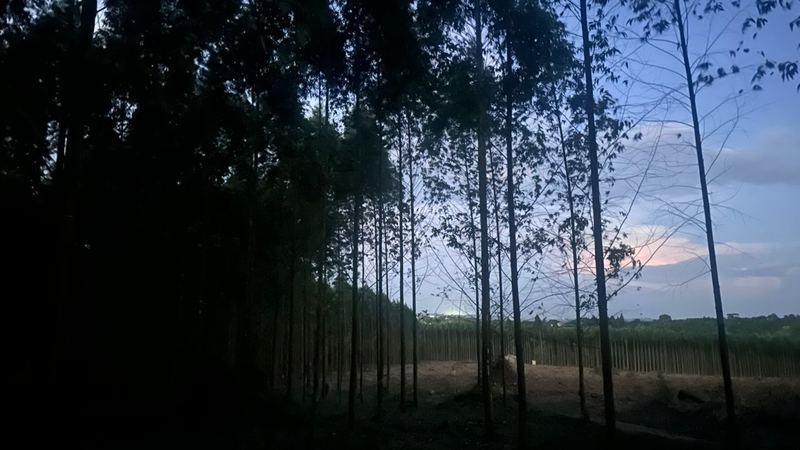
Harvesting is the moment of truth for any eucalyptus plantation investment. Timing, technique, and market selection at this stage can determine whether years of careful management translate into strong financial returns or disappointing results. In Uganda, where eucalyptus poles, charcoal, and biomass markets are all active, the decisions made at harvest are particularly consequential.
This guide draws on practical experience managing eucalyptus harvests across Uganda — from smallholder plots in Wakiso to large commercial plantations in Mubende — to give you a practical framework for maximising your harvest value.
1. When to Harvest: Rotation Length in Uganda
Rotation length — the age at which you harvest — is one of the most important decisions you'll make. In Uganda, this depends on your target product:
- Utility poles (most common in Kampala/Wakiso): Harvest at 5–7 years for Eucalyptus grandis. Trees will have reached 15–25m height and 10–20cm diameter at breast height (DBH).
- Large poles and structural timber: 8–12 years, targeting DBH of 20–35cm.
- Charcoal and fuelwood: 3–5 years. Shorter rotation is feasible because stool coppicing is better at younger ages.
- Pulpwood: 4–6 years, depending on the end buyer's specifications.
- Carbon credits: Long rotation (15+ years) maximises carbon stock, but you sacrifice cash flow.
"Harvesting too early means small poles with low market value. Harvesting too late loses coppice vigour and increases windblow risk. The optimal window is usually a 12–18 month period that our team identifies through stand assessment." — Euca Eco Consults Forest Manager
2. Pre-Harvest Stand Assessment
Before touching a single tree, commission or conduct a formal stand assessment. This involves:
- Volume estimation: Using systematic plot sampling (typically 0.1 ha plots, minimum 1% intensity) to estimate total stand volume and merchantable volume.
- Tree quality classification: Sorting trees into grade A (straight, large, high-value), grade B (minor defects, medium poles), and below-grade (charcoal/firewood).
- Infrastructure assessment: Checking access roads, log landing sites, and proximity to markets.
- Market price verification: Getting at least 3 quotes from buyers before proceeding — pole prices in Uganda can vary by 30–50% between buyers.
3. Harvesting Methods
Manual Harvesting (Most Common in Uganda)
The vast majority of eucalyptus harvesting in Uganda is done manually using chainsaws and axes. Key best practices:
- Make the felling cut at 5–15cm above ground level to preserve the root system for coppice regrowth
- Fell trees in the direction that minimises stump damage and facilitates extraction
- Delimb and cross-cut at the landing — not in the stand — to reduce bark damage to remaining stumps
- Ensure chainsaw operators have proper training and safety equipment (PPE is frequently neglected in Uganda's small-scale operations)
Mechanical Harvesting
For plantations above 50 hectares, mechanical harvesting using feller-bunchers or harvesters is increasingly available in Uganda through equipment hire. Mechanical harvesting is faster and reduces labour costs significantly but requires good access roads (minimum 4m width) and can cause stump and soil damage if not done carefully.
4. Coppice Management: Securing Your Next Rotation
One of eucalyptus's greatest advantages in Uganda is its ability to regenerate from stumps (coppice), avoiding the cost of replanting. Proper coppice management is essential:
Coppice Selection (Year 1 post-harvest)
- Allow 3–5 shoots to develop initially per stump
- At 4–6 months after harvest, select the 1–2 most vigorous, well-positioned shoots and remove the rest
- Make removal cuts as close to the stump as possible to prevent decay entry points
Coppice Growth Expectations
In Uganda's climate, well-managed coppice rotations frequently outperform the initial planting rotation — root systems are already established and the trees benefit from a head start. Expect the second rotation to reach harvestable size in 4–6 years (vs. 5–7 for the first).
When Coppicing Fails
If stumps fail to coppice (common with older stumps, disease, or deep cutting), replant into the same holes using improved seedling material. Blanking rates of 10–15% are normal — higher rates suggest a systematic problem requiring investigation.
5. Uganda's Eucalyptus Markets
Understanding your market options before harvest is critical to maximising returns:
Utility Poles (Primary Market, Kampala Region)
Utility poles (3–12m, 8–20cm top diameter) command the highest prices in Uganda. Key buyers include UMEME (electricity utility), telecoms operators, and construction companies. Prices in Kampala (2025/2026) range from UGX 20,000–80,000 per pole depending on length and quality.
Charcoal
Uganda remains heavily dependent on charcoal for domestic cooking fuel. Eucalyptus charcoal is well-accepted in Kampala's markets. A well-managed hectare can yield 8–15 tonnes of charcoal per harvest. However, note that charcoal production from eucalyptus is regulated — ensure you have the appropriate licences from the National Forestry Authority (NFA).
Biomass / Energy
Several industrial users in Uganda (tea factories, brick kilns, flower farms) purchase eucalyptus biomass for energy. Prices are lower than poles but offer a reliable off-take market for smaller diameter material.
Sawn Timber
Eucalyptus timber is increasingly accepted for construction and furniture in Uganda, though it requires proper drying and sometimes treatment. This market offers the highest per-m³ value but requires investment in sawmill access.
6. Log Transport and Compliance
Uganda's National Forestry Authority (NFA) requires a timber movement permit (change of custody certificate) for all eucalyptus timber transported on public roads. Ensure you obtain this before moving logs — roadblocks are common on major routes out of forestry areas, and non-compliance results in fines and confiscation.
7. Post-Harvest Site Management
- Remove logging debris from the central areas of the site to reduce fire risk and pest habitat
- Apply phosphate fertiliser to stumps in poor soils to boost coppice vigour
- Fence the site for 6–12 months post-harvest to prevent livestock from browsing coppice shoots
- Monitor for termite and gall wasp activity which tends to spike on stressed post-harvest sites
Conclusion: Plan Your Harvest as Carefully as Your Planting
A well-executed eucalyptus harvest in Uganda can deliver returns of UGX 2–6 million per hectare depending on species, rotation age, and market conditions. But poor timing, inadequate market research, or damage to stumps during harvesting can cut these returns significantly — or eliminate the viability of future coppice rotations.
Euca Eco Consults Limited provides professional forest inventory, harvest planning, and market linkage services for eucalyptus plantation owners across Uganda. Contact our Kampala team to arrange a pre-harvest assessment of your plantation.
Contact us: +256702946946 | Wakiso, Kampala, Uganda
Frequently Asked Questions
When should eucalyptus be harvested in Uganda?
For the utility and building pole market, typically five to eight years on a good site in central Uganda, depending on species, spacing and how well the stand was weeded in the first year.
The right answer is not a fixed age but a measured one: assess diameter distribution against the specification your target buyer wants, then cut when enough stems qualify.
How do I get the best price for my eucalyptus?
Two things, in this order. Have the stand measured — systematic plots, diameter and height, volume by grade. Then take that same document to at least three buyers with a deadline.
Almost everything else was decided years earlier by spacing and weeding. See tree and timber prices in Uganda.
Will eucalyptus grow back after harvesting?
Yes — eucalyptus coppices, regrowing from the cut stump to give a second and often third rotation without the cost of replanting. This is one of its strongest advantages over pine.
But a careless harvest can destroy it. Stump height, clean cuts rather than shattered stumps, and felling season all matter, and each should be specified in the sale contract.
How many coppice shoots should I leave per stump?
Each stump throws multiple shoots. Left alone you get a bush rather than a tree, so shoots must be reduced — typically to one or two strong, well-attached stems per stump — once they are established enough to judge.
Timing matters: too early and you cannot tell which shoots will dominate; too late and the stump has wasted growth on stems you will remove.
What permits do I need to transport timber in Uganda?
Commercial timber movement requires documentation, and requirements vary by district and by whether the material comes from private land or a gazetted reserve.
Confirm before felling, not after. If you are selling standing timber, make it explicit in the contract whose responsibility the permits are.
Harvesting Soon? Have It Measured First
We measure the stand, value it, take it to several buyers and support you through the contract — including the stump-height and site-condition terms that protect your next rotation.
Related Guides
10+ years managing eucalyptus harvests across Uganda. Based in Wakiso, Kampala.