Earning Carbon Credits from Forests in Uganda: A Practical Guide
Uganda's forests represent one of the country's most underutilised financial assets. As global demand for verified carbon credits from forestry in Uganda continues to grow — driven by corporate net-zero commitments, international climate finance, and voluntary carbon market expansion — landowners and investors who understand how to participate in this market stand to generate significant additional revenue streams alongside conventional timber and pole income. This practical guide, produced by Euca Eco Consults Limited in Wakiso, Kampala, demystifies forest carbon credits — explaining how they work, what Uganda's forests can generate, and the steps needed to get your project registered and earning.
How Forest Carbon Credits Work
A carbon credit represents one tonne of carbon dioxide equivalent (CO₂e) that has been removed from the atmosphere or prevented from being emitted. Forest carbon projects generate credits by:
- Afforestation/Reforestation (A/R): Planting trees on previously non-forested land — each tree that grows sequesters carbon in its biomass and soil, generating credits year by year
- REDD+: Reducing Emissions from Deforestation and forest Degradation — generating credits by demonstrating that forest loss has been prevented compared to a credible reference scenario
- Improved Forest Management (IFM): Changing management practices to increase carbon stocks above what would otherwise occur — for example, extending rotation lengths or reducing harvest intensities
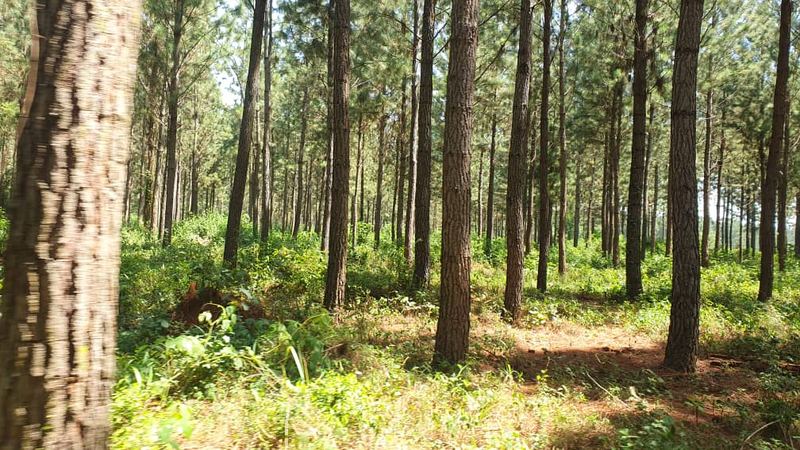
For most private landowners in Uganda, A/R projects are the most accessible entry point. A well-managed eucalyptus or pine plantation on previously degraded land can generate 5–15 tonnes of CO₂e per hectare per year, depending on species, site quality, and management intensity.
Carbon Certification Standards
To sell carbon credits in the voluntary carbon market, your project must be certified under a recognised standard. The two most relevant for Ugandan forest projects are:
- Verra Verified Carbon Standard (VCS / Verra): The world's largest voluntary carbon standard, with robust methodologies for A/R, REDD+, and IFM projects. VCS credits are traded as Verified Carbon Units (VCUs) on international markets.
- Gold Standard for the Global Goals (GS4GG): Emphasises co-benefits beyond carbon — biodiversity, community livelihoods, and SDG alignment — which often commands premium prices from buyers seeking high-impact credits.
Both standards require independent third-party verification of carbon calculations and management claims — and this is where project design quality and MRV (Measurement, Reporting and Verification) systems become critical to commercial success.
Expert Guidance Available
Ready to Monetise Your Forest Carbon in Uganda?
Euca Eco Consults guides forest owners through carbon project design, baseline studies, VCS/Gold Standard registration, and annual MRV reporting across Uganda.
Book Free ConsultationIs Your Forest Eligible?
Not every forest in Uganda is automatically eligible for carbon credit generation. Key eligibility criteria include:
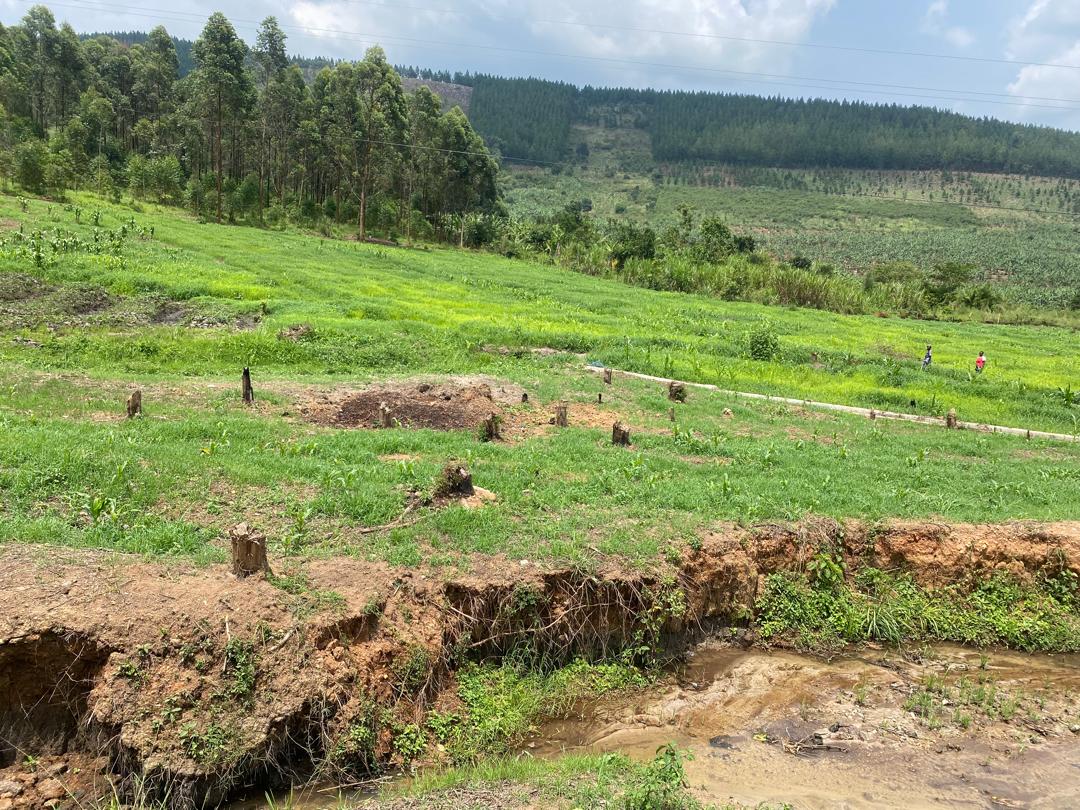
- Additionality: The carbon sequestration must be additional to what would have happened without the project. For A/R projects, this typically means planting on land that was not forested and would not have been forested without deliberate intervention.
- Permanence: The carbon must remain stored for the project lifetime (typically 30–100 years). Projects in areas with high encroachment or fire risk require robust risk management plans.
- No double counting: Credits cannot be sold if the same emission reductions are being claimed under Uganda's Nationally Determined Contribution (NDC) or any other government programme, without appropriate authorisation under Article 6 of the Paris Agreement.
- Land tenure clarity: Documented, undisputed land ownership or long-term lease is essential. Title deeds, customary ownership documentation, or long-term lease agreements are required.
Euca Eco Consults conducts pre-feasibility assessments for potential carbon projects — evaluating additionality, land tenure, baseline conditions, and commercial viability before clients commit to the full project development process.
The Carbon Project Development Process
Developing a certified forest carbon project involves the following key steps:
- Feasibility and screening: Assess land, tenure, baseline, and additionality to determine whether a project is viable
- Methodology selection: Choose the appropriate VCS or Gold Standard methodology for your project type
- Project Design Document (PDD): Prepare the technical document describing project activities, baseline scenarios, carbon calculations, and monitoring plans
- Validation: Independent third-party audit of the PDD before the project starts generating credits
- Registration: Project registered on the Verra or Gold Standard registry
- Monitoring and verification: Annual or periodic monitoring of actual carbon sequestration, followed by third-party verification and credit issuance
- Credit sale: Credits listed on carbon exchanges or sold directly to corporate buyers
"The Uganda forest carbon opportunity is real and growing. But the projects that succeed commercially are those designed with rigour from day one — with honest baseline analysis, credible additionality arguments, and monitoring systems that will stand up to third-party verification."
— Euca Eco Consults Carbon Advisory Team, Kampala
Co-Benefits and Premium Pricing
Forest carbon projects in Uganda can generate significant non-carbon co-benefits that attract premium pricing from buyers:
- Biodiversity: Plantations managed for biodiversity value, or community forests with indigenous species components, can achieve Climate, Community & Biodiversity (CCB) certification alongside VCS
- Community livelihoods: Projects that generate employment, improve food security, or protect watershed services for local communities align with SDGs and attract ESG-focused buyers
- Gender equity: Projects with documented women's participation in management and benefit sharing command premium prices from development-finance aligned buyers
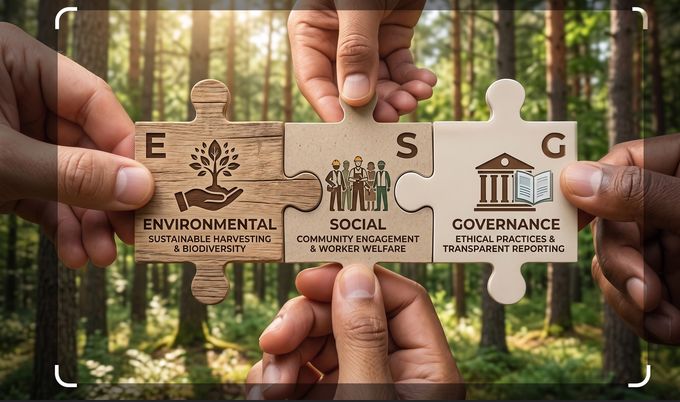
For organisations seeking to integrate carbon projects within a broader sustainability and ESG framework, see our article on sustainable forest management in Uganda and our guide to ESG certification in Kampala. If you own forest land in Uganda and want to understand your carbon revenue potential, contact Euca Eco Consults in Wakiso, Kampala for a confidential pre-feasibility assessment.
Getting Started with Forest Carbon in Uganda
The carbon market rewards early movers — projects registered and generating credits today will have a significant advantage over those that wait. Euca Eco Consults Limited has the technical capacity to guide your project from feasibility to first credit issuance, combining forestry science, GIS technology, and carbon market expertise in a single, Uganda-based team. Whether you are managing 50 hectares or 5,000, contact us today for an honest assessment of your carbon opportunity.
Over a decade of forestry and environmental consultancy experience across Uganda. Specialists in eucalyptus, pine, GIS, ESIA, and ESG from our base in Wakiso, Kampala.